

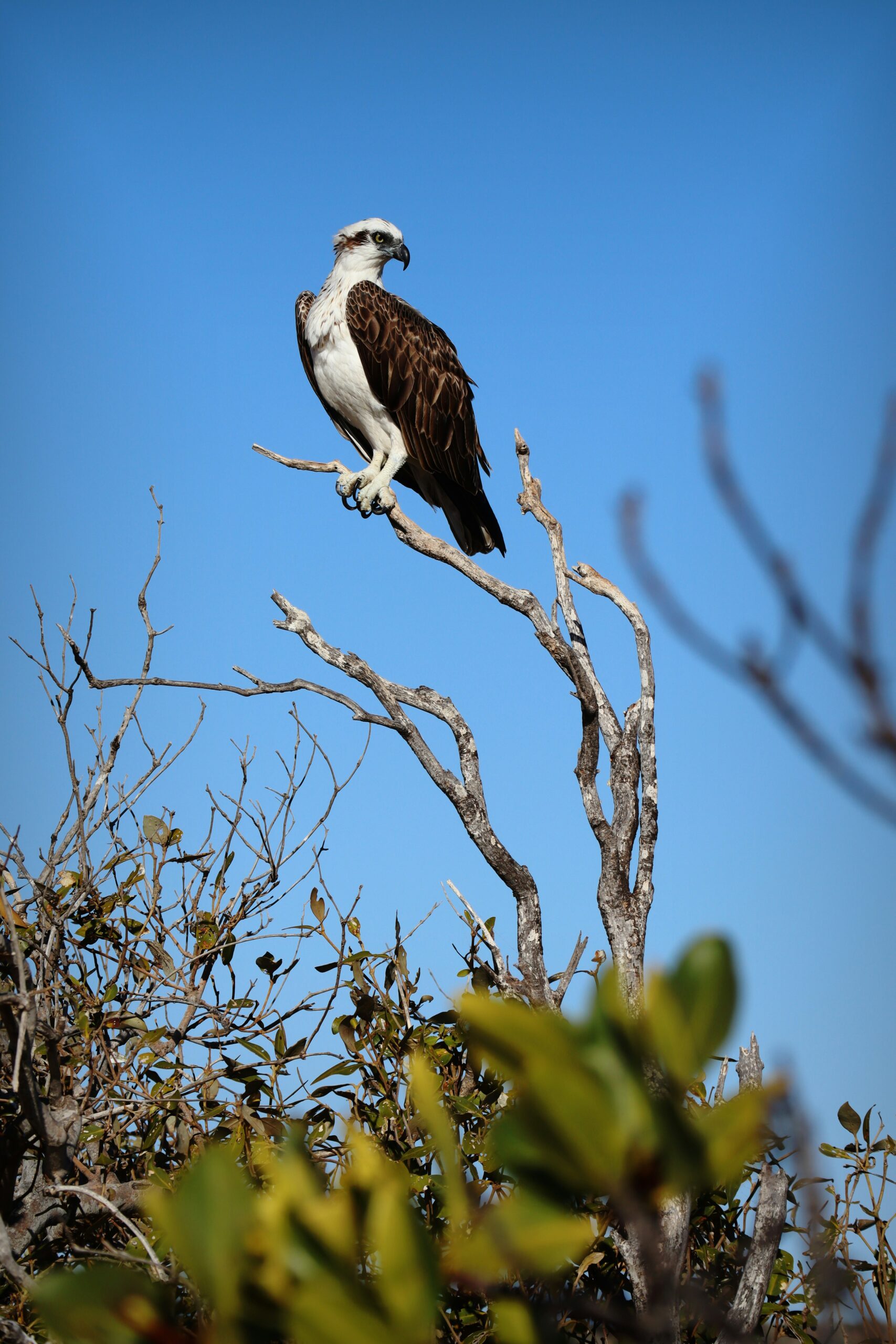
Ospreys were once on the brink of extinction. In 1974, the state of Connecticut saw an all-time-low of just nine active osprey nests. But the banning of DDT, a nasty insecticide which was responsible for thinning osprey eggs, along with other, anti-pesticide regulatory measures, contributed to the steady recovery of ospreys.
Activists often point to ospreys as a conservation success story as public education, and community engagement all contributed to their fight back from the brink.
But, in conservation, the work is ever evolving to combat new threats that may arise.
The one threat that seems to remain constant, though, is humanity’s inability to keep their hands off nature.
According to the Connecticut Audubon Society’s recently-published annual State of the Birds 2025 report, there’s a noticeable drop in osprey populations, which has conservationists alarmed.
Last year, Connecticut was home to over 900 active nests while this year that number is around 800, with a considerable decline in fledglings as well.
These numbers come in accordance with a more alarming report from the Chesapeake Bay, which is home to by far the largest concentration of ospreys in the world (nearly 20 percent of the global population). It found that ospreys have experienced an 80% decline in population, along with 80-90% nest failure rates—lower than the nadir figures of the DDT era.
The culprit of such a stark decline should come as no surprise: it’s fishing.
Ospreys largely rely on the menhaden, a silver fish that provides a good source of oil and fat for the birds, and is considered essential for fledgling nutrition. Commercial fishers hunt them for bait, but they’re also used to feed cows and pigs, as well as in the production of certain fish oil supplements.
When granted a reprieve from anglers, menhaden are sometimes even called “the most important fish in the sea” for the way their planktivorous diet provides a vital link between plankton and larger predators that depend on them.
The menhaden decline has gotten so bad in Virginia that osprey fledglings are hatching, but starving. Their parents are returning to nest exhausted and without food.
The main reason why Connecticut’s osprey decline isn’t as dire as the Chesapeake’s is menhaden aren’t commercially fished in the Long Island Sound. But just because the numbers in Connecticut are better, it doesn’t mean they’re great.
Connecticut Audubon admits that there’s still a lot that we don’t know when it comes to ospreys. Especially outside of the Chesapeake, there’s surprisingly very little data on what ospreys actually eat.
That’s why in 2026 they’re launching a new pilot program dedicated to fill in the knowledge gap on localized osprey diets and gain insight on the health and abundance of their fish prey. They’re calling on their members and osprey stewards to help them observe what fish they’re eating. And it’s likely that Connecticut’s osprey are already under siege from anglers much like their southern cousins.
Ospreys shouldn’t pay the price for the appetites of humans. Their survival depends on fish, which the fishing industry—both commercial and recreational—is so eager to mettle with.
We can’t continue to tout ospreys as a conservation “success” story so long as humans continue repeating the patterns of exploitation that led to their decline in the first place.
Every time a fish is pulled from the sea—even for a health supplement—its pulled from another animal’s mouth.
It’s time we leave the fish where they belong.