

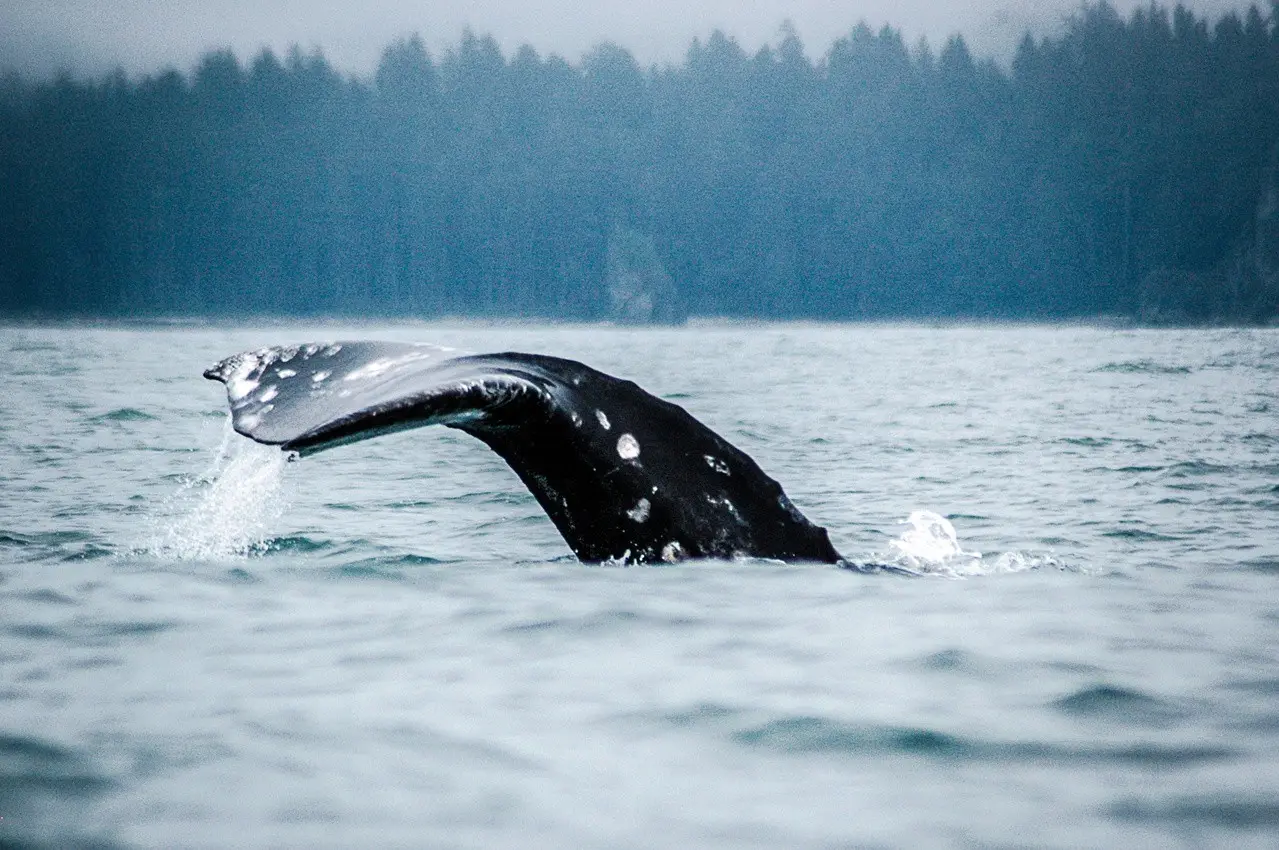
Jeers to the Makah Tribe for seeking a federal permit to resume gray whale hunting, which they applied for with National Oceanic and Atmospheric Administration (NOAA) in March, to conduct a gray whale hunt from July 1 to October 31.
The tribe is able to pursue this hunt because of the Treaty of Neah Bay, signed in 1855, that preserved the Makah’s right to hunt whales.
That was, of course, a very different time, when whales were treated primarily as commodities rather than the complex, social, and vulnerable beings we see them as today.
A promise made nearly two centuries ago shouldn’t outweigh our current understanding of whales and the suffering they’re capable of experiencing, though. Regardless of who claims a historical connection to whaling.
Tradition or not, whales should never be hunted.
The last time the Makah tribe, located in La Push, Washington, conducted a whale hunt was in 1999. One gray whale was killed, and the hunters were photographed drinking Pepsi and doing backflips off the carcass—some tradition.
They tried to revive the hunt in 2022, but were met with fierce backlash when groups like FoA submitted comments to NOAA, protesting the Makah’s request to kill whales. At the time, FoA pointed out that there are many so-called “traditions” society has and continually does abandon for compelling reasons.
Whaling is no exception. Especially considering that whales were hunted to the brink of extinction in the decades following the 1855 treaty.
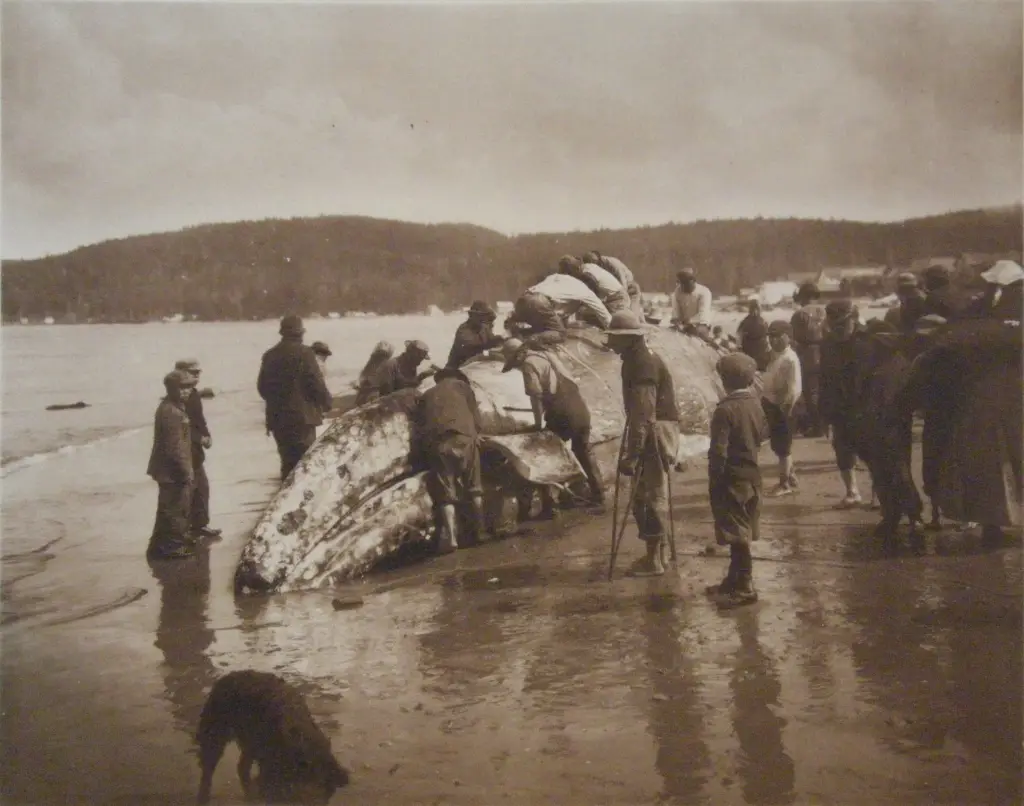
And while some whale populations have rebounded since the worst days of whaling, that’s only thanks to decades of reckoning and protection. Recovery should in no way serve as an invitation to simply begin killing them again.
In fact, the Huu-ay-aht First Nation, based on Vancouver Island—sharing waters with the Makah Tribe—haven’t practiced whaling in many years out of concern that gray whale populations were being exhausted.
The Quileute tribe, also located in La Push, Washington, have also quit killing whales and instead holds an annual ceremony to welcome whales to the area in the spring.
Neighboring tribes with similar histories are proving that traditions can evolve, and respecting whales is an obligation.