

Rachel Carson must be rolling over in her grave.
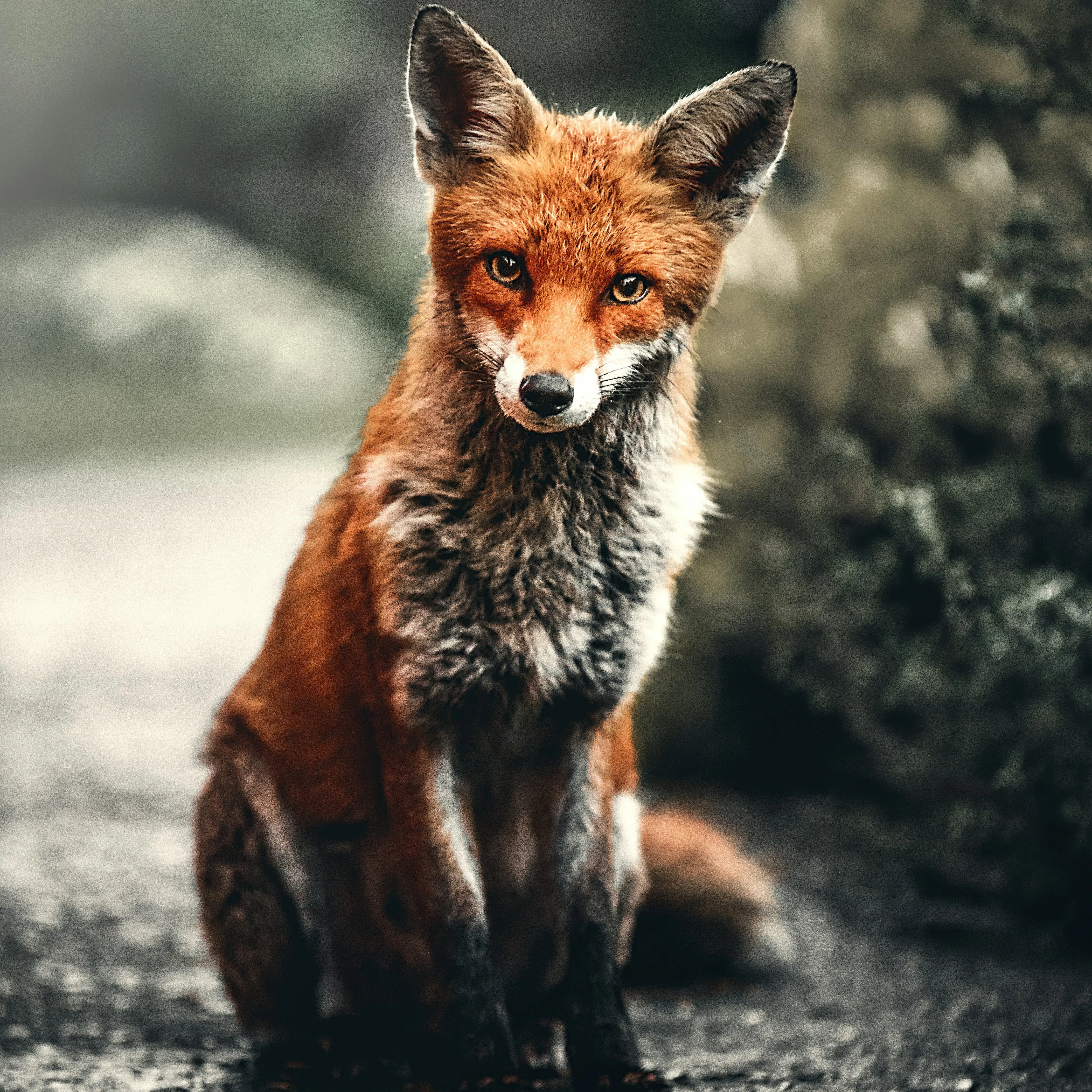
The Rachel Carson National Wildlife Refuge (NWR), established in 1966 in cooperation with the State of Maine to protect valuable salt marshes and estuaries for migratory birds, is one of 107 NWRs that the Trump administration’s U.S. Fish and Wildlife Service is opening up to more killing for sport. The administration’s plan includes first-ever hunting or sport fishing opportunities at 14 refuges. Ducks, grouses, pheasants, bobcats, foxes, bears, moose and beavers are just some of the species that will be in the cross hairs to try and revive a dying hunting industry.
FoA plans to challenge this reckless plan—and we need your help. Do you spend time in any of the nation’s refuges listed below, which could be impacted by this rule? We want to hear about how the Trump administration’s openings and expansions of hunting could impact you.
The administration has heralded its plan as the “largest expansion of hunting and fishing opportunities in U.S. Fish and Wildlife history” and with it, the agency is bringing back lead ammunition where it was banned and expanding use of lead ammunition where it is still allowed and continuing to accumulate.
Importantly, lead is an extremely toxic element, poisoning animals that ingest even small amounts of it from spent ammunition and lost or discarded fishing equipment. This results in the killing of millions of animals every year, especially birds like ducks, swans, and pheasant, and foragers like eagles, coyotes, and foxes. And those who aren’t directly killed, which are most of the exposed animals, often suffer from numerous deadly impairments to their bodies, including anemia, immune system deficiencies, and neurological problems like lethargy, muscle wastage, loss of balance, and convulsions. All these impacts can easily be prevented.
National Wildlife “Refuges” should be places where wild animals are safe from unnecessary harm, not slaughtered for sport. Together, we can challenge this rule and protect the wildlife who depend on these places to live and thrive.
Please contact us if you:
- Frequently or regularly visit one or more of the National Wildlife Refuges listed below. Please also let us know what wildlife you enjoy observing or hope to observe when you visit and what concerns you have about the use of lead ammunition and fishing equipment.
- Have expertise or experience with wildlife lead poisoning caused by spent ammunition or derelict fishing tackle.
Email Liz Holland: liz.holland@friendsofanimals.org
National Wildlife Refuges affected by the 2026-2027 Station-Specific Hunting and Sport Fishing Regulations for the National Wildlife Refuge System:
Alabama: Cahaba NWR, Grand Bay NWR
Arkansas: Cache River NWR, Felsenthal NWR, Holla Bend NWR, Wapanocca NWR
California: Guadalupe-Nipomo Dunes NWR, Lower Klamath NWR, Tule Lake NWR
Colorado: Rocky Flats NWR
Idaho: Bear Lake NWR, Grays Lake NWR
Illinois: Kankakee NWR, Chautauqua NWR, Middle Mississippi River NWR, Port Louisa NWR, Two Rivers NWR, Cypress Creek NWR, Hackmatack NWR, Clarence Cannon NWR
Indiana: Patoka River NWR
Iowa: Neal Smith NWR, Driftless NWR, Union Slough NWR, Northern Tallgrass Prairie NWR, Port Louisa NWR
Kentucky: Ohio River Islands NW
Louisiana: Bayou Cocodrie NWR, Bayou Sauvage NWR, Red River NWR, Southeast NWR, Upper Ouachita NWR, Atchafalaya NWR, D’Arbonne NWR
Maine: Rachel Carson NWR, Great Thicket NWR (Berwick-York Focus Area)
Maryland: Blackwater NWR, Eastern Neck NWR, Patuxent Research Refuge
Michigan: Detroit River International Wildlife Refuge, Shiawassee NWR
Minnesota: Agassiz NWR, Big Stone NWR, Glacial Ridge NWR, Minnesota Valley NWR, Rydell NWR, Northern Tallgrass Prairie NWR
Mississippi: Theodore Roosevelt Complex (Theodore Roosevelt NWR, Yazoo NWR, Panther Swamp NWR, Hillside NWR, Morgan Break NWR, St. Catherine Creek NWR, and Holt Collier NWR), Grand Bay NWR
Missouri: Middle Mississippi River NWR, Clarence Cannon NWR
Montana: Grass Lake NWR, Northeast Montana Wetland Management District, Hailstone NWR, Medicine Lake NWR, Bowdoin NWR, Hewitt Lake NWR
Nebraska: Crescent Lake NWR
New Jersey: Cape May NWR, Great Swamp NWR, Supawna Meadows NWR
New Mexico: Sevilleta NWR
New York: Wallkill River NWR
North Carolina: Great Dismal Swamp NWR
North Dakota: Northwest North Dakota NWR Complex (Des Lacs NWR, J. Clark Salyer NWR, Lostwood NWR, Upper Souris NWR), Central North Dakota NWR Complex (Florence Lake NWR, McLean NWR, Stewart Lake NWR, White Lake NWR, Audubon NWR, Long Lake NWR, Lake Nettie NWR, Slade NWR), Eastern North Dakota NWR Complex (Arrowwood NWR, Lake Alice NWR, Tewaukon NWR)
Ohio: Cedar Point NWR, Ottawa NWR
Oklahoma: Deep Fork NWR
Oregon: Malheur NWR, Umatilla NWR, Upper Klamath NWR, Lower Klamath NWR
Pennsylvania: Erie NWR, Ohio River Islands NWR
Texas: Laguna Atascosa NWR, Neches NWR
Virginia: Chincoteague NWR, Wallops Island NWR, Eastern Shore of Virginia NWR, Elizabeth Hartwell Mason Neck NWR, Featherstone NWR, James River NWR, Occoquan Bay NWR, Presquile NWR, Rappahannock NWR, Great Dismal Swamp NWR, Fisherman Island NWR, Plum Tree Island NWR, Featherstone NWR
Washington: Little Pend Oreille NWR, Willapa NWR, Umatilla NWR
West Virginia: Canaan Valley NWR, Ohio River Islands NWR
Wyoming: Bamforth NWR, Cokeville NWR, Seedskadee NWR