

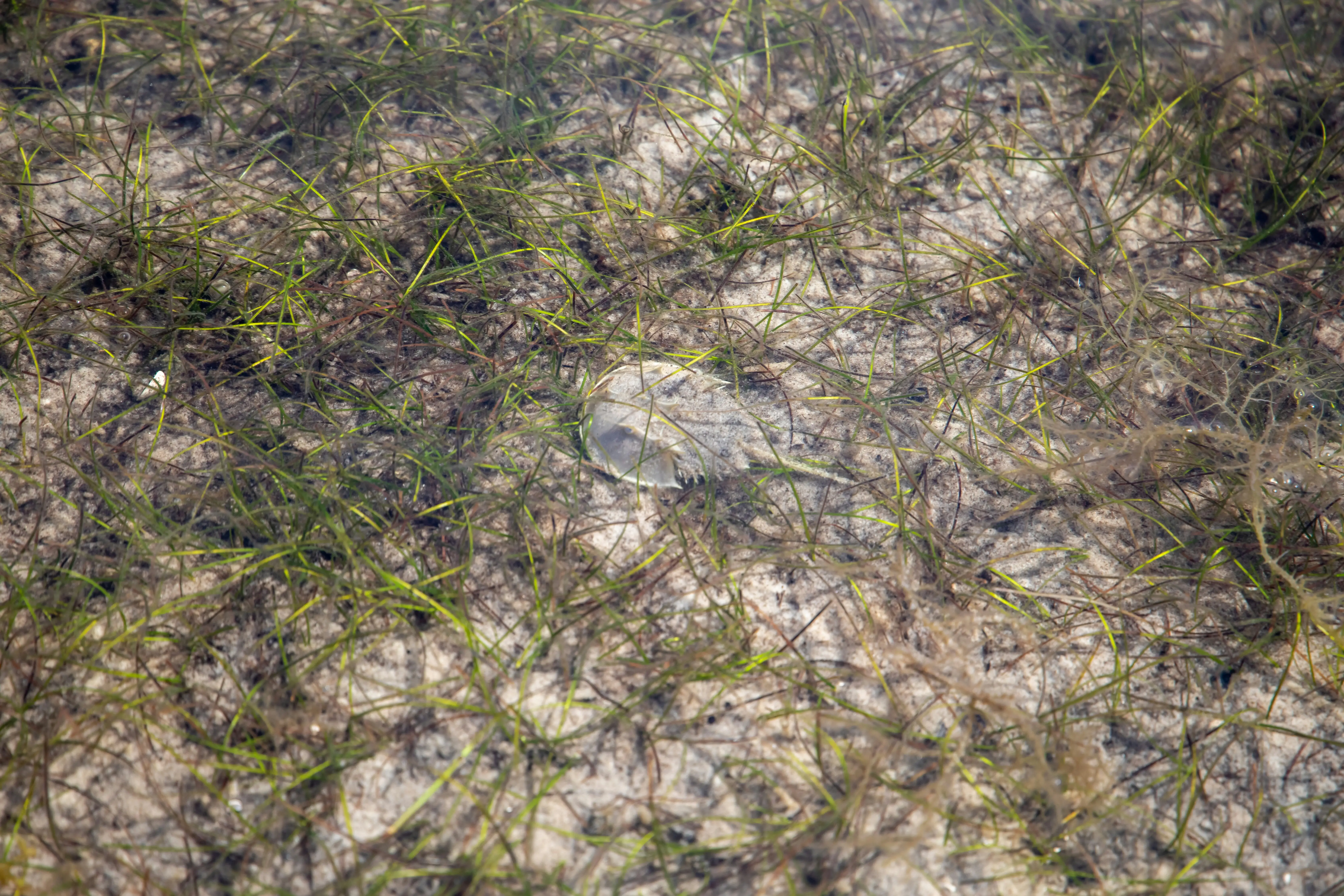
Friends of Animals has sued the Trump administration for its misguided, negligent decision not to protect Atlantic horseshoe crabs under the Endangered Species Act (ESA). The lawsuit was filed in the U.S. District Court for the District of Columbia on Oct. 28.
“The National Marine Fisheries Service (NMFS) cannot keep ignoring the warning signs for horseshoe crabs. This ancient mariner deserves a full scientific review and ESA protections to prevent it from going extinct. Extinction is forever,” said Jennifer Best, director of Friends of Animals Wildlife Law Program. “We are confident that a full status review, conducted under the proper legal standard and based on the best available science, would show that horseshoe crabs warrant protection under the ESA.”
In 2023, FoA petitioned the NMFS to protect horseshoe crabs who are struggling to survive along the Atlantic Coast. The petition documented how this ancient species, who have existed since long before the dinosaurs, continue to be exploited at an alarming rate, from being killed and chopped up by fishers for bait for eel and whelk to being captured and bled by the biomedical industry for drug safety testing even though synthetic alternatives are approved and available.
In addition, climate change and resulting sea level rise threaten their habitat. Existing laws are not adequate to protect them.
After receiving FoA’s petition, NMFS had to decide whether ESA protection was warranted in what is known as a “90-day finding.” At that stage, NMFS should not discount credible information showing that the species may warrant listing under the ESA, but that is exactly what they did.
“NMFS just wrote off credible science about the serious threats to horseshoe crab and long-term declines in the population. Then, it cherry picked information from its preferred sources, such as the Atlantic States Marine Fisheries Commission’s (ASMFC) 2024 horseshoe crab stock assessment,” Best said. “The problem is that selected information offers only a snapshot, not the full picture of population trends and threats to horseshoe crabs and their habitats. Not to mention commercial interests and short-term economic pressures can influence ASMFC decisions.”
ASMFC considers the horseshoe crab a “resource” that must be preserved only to the extent that it remains available “for continued use by” the public, listed species, and industry.
“This flawed approach to crab conservation cannot ensure its survival,” Best said. “When the Atlantic horseshoe crab’s interests don’t align with those of industry, the horseshoe crab is sure to lose.”
Connecticut and New York have recognized that horseshoe crabs are disappearing at an alarming rate. They’ve both enacted legislation, which Friends of Animals helped get introduced and passed, to outlaw the capture and killing of them for bait.
As horseshoe crab populations have plummeted, so have other species who rely on them, such as endangered sea turtles and shorebirds. For example, rufa red knots, which are birds listed as threatened under the Endangered Species Act, depend on the horseshoe crabs’ eggs to fuel their extremely long migrations from South America to the Arctic.
“Friends of Animals will be fighting in court to save horseshoe crabs and the community of life that depends on them,” Best said.
Photo via Emily Keen, Unsplashed