

In November, the Trump Administration gave an early Christmas present to the extractive industries that profit from wildlife destruction by proposing four major regulation changes that would undermine the Endangered Species Act.
If these changes existed decades ago, the bald eagle, grizzly bear and humpback whale, to mention a few, might have been wiped out! The ESA is a critical tool to save animals from extinction and human exploitation, with around 99% of listed species still surviving.
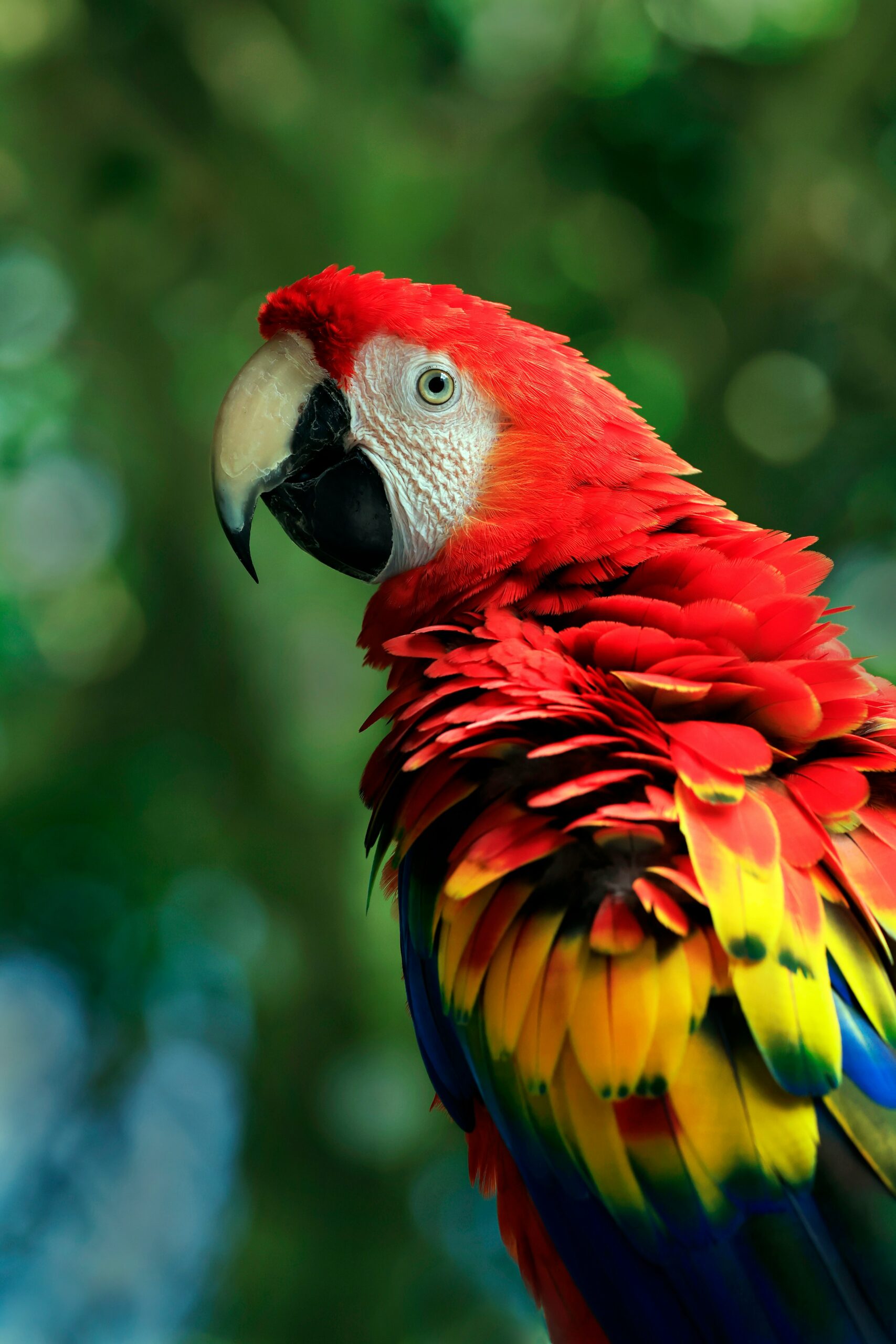
Friends of Animals works tirelessly to protect species under the ESA, including vibrant scarlet macaws facing illegal poaching and trade; Utah prairie dogs losing their burrows amid habitat destruction, and ancient horseshoe crabs bled dry for profit.
We cannot let the Trump Administration give special-interest benefactors a free pass to harm wildlife. The changes are not yet finalized, we’ve submitted comments opposing these rules:
Reducing Protections for Threatened Species
The Administration is trying to eliminate long-standing “blanket” protections automatically granted to threatened species. This change would open the door for the agency to craft industry favorable rules and reduce the baseline protections that threatened species generally receive under the ESA.
Undermining Critical Habitat Designations
The Administration is also trying to lessen protection for the wild places that threatened and endangered animals need to survive. The rule’s most shocking element is its treatment of federal public lands—it allows FWS to consider excluding publicly owned lands from designation as critical habitat to save the government and its industry partners the “administrative or transactional costs” of having to consult with experts about their projects.
The proposed rollback would narrow the scope of interagency consultation, limit science-based analysis, and weaken evaluation of cumulative and future impacts. It would also make it easier for agencies to avoid responsibility for species harm.
Weakening Listing Process and Critical Habitat Designations
Under the proposed regulation, the FWS and National Marine Fisheries Service would be allowed to weigh the economic impacts of protecting a particular species, something the Endangered Species Act explicitly prohibits. If finalized, it could also gut the agencies’ ability to designate habitat in unoccupied areas and limit the ability to designate critical habitat for animals who are endangered due to climate change and other serious threats.