

Cheers to Rhode Island Gov. Dan McKee for signing legislation on June 18 that will begin phasing out the sale of certain rat poisons, making the Ocean State the second in the nation to adopt restrictions on the products. California put a moratorium on second- generation anticoagulants in 2020 and expanded it to include first-generation anticoagulants in 2024.
When Friends of Animals heard that the New England Pest Management Association was livid about the Rhode Island legislation passing the House and Senate and launched a so-called “VoterVoice” advocacy campaign urging Gov. McKee to veto the bill, we sprang into action. We wrote to him and rallied our Rhode Island members and supporters to write and call him to tell him to sign the bill into law . We couldn’t let big industry/lobbying interests win over RI’s beloved wildlife.
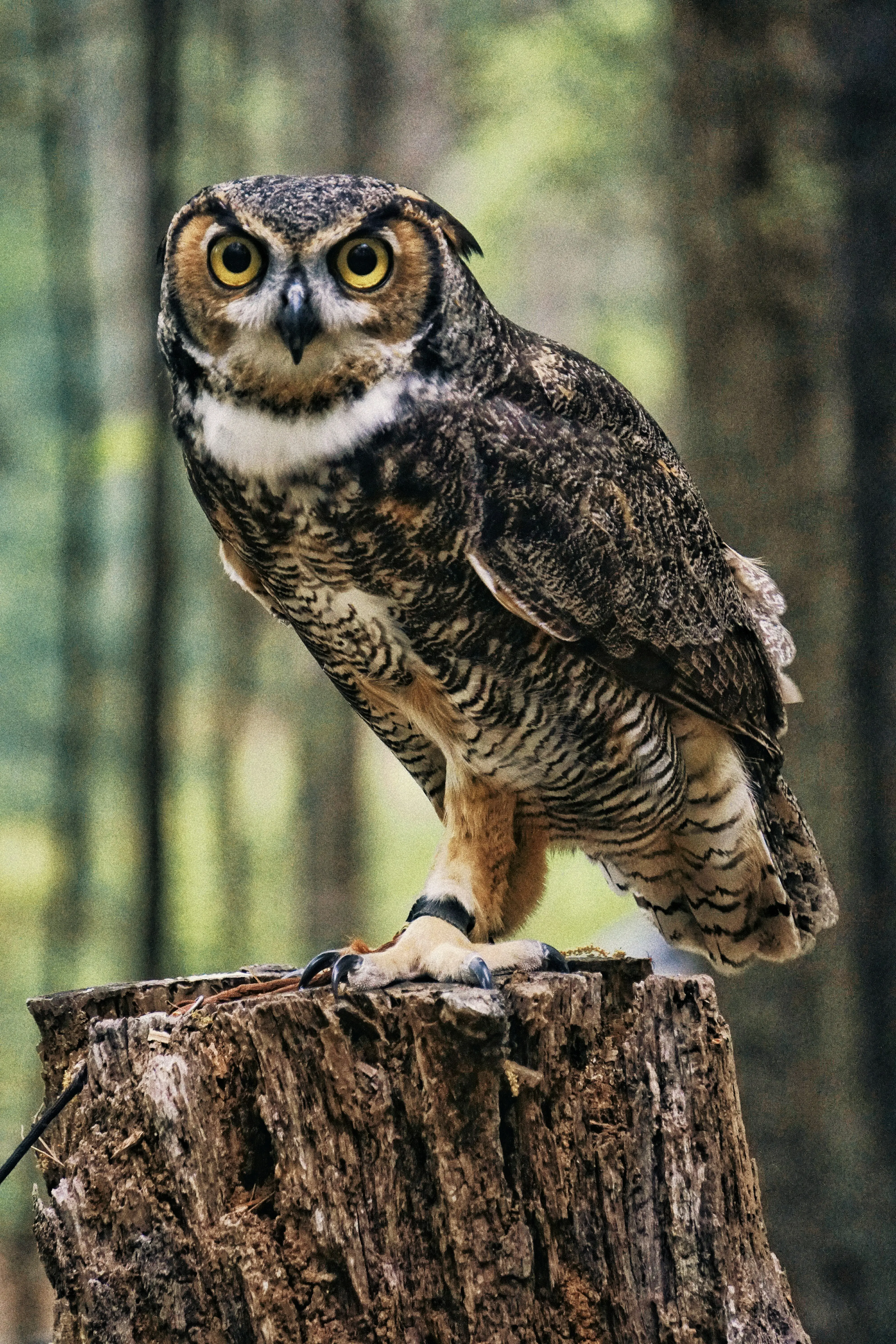
Like in CT, where FoA is working tirelessly to ban the sale of use of anticoagulants, raptors and mammals in RI are under siege from these powerful, long-lasting poisons making their way up the food chain. Anticoagulants work by preventing blood from clotting. So, hawks, eagles, owls and other wildlife are dying a slow agonizing death from internal bleeding after consuming poisoned rodents who’ve taken the bait from those ubiquitous black boxes you see outside grocery stores, around housing developments and town parks.
Under RI’s new law, first-generation anticoagulants will be banned for consumer sales in Rhode Island starting March 1, 2027. An explicit ban on newer, more potent second-generation anticoagulants — which were developed starting in the 1970s and are registered only for use by pest professionals — would be codified in state law starting Jan. 1, 2028.
By Jan. 1, 2029, both first- and second-generation anticoagulant rodenticides would be banned statewide — even for pest control companies, albeit with some exceptions for use in public health, agriculture, food production, and certain types of facilities