

In the latest attack on habitat and wildlife under the Trump Administration, the U.S. Department of Agriculture announced that it is proposing a complete rollback of the 2001 Roadless Rule, which currently blocks road construction, and by extension most logging and mining activity, on tens of millions of acres of public forest land.
This reckless proposal threatens wildlife, humans and the environment we need to live.
Public comment on this proposed change will be taken through Sept. 21, 2026. Join Friends of Animals in opposing this assault on essential wild places by submitting comments here: https://www.federalregister.gov/documents/2026/08/20/2026-16965/special-areas-roadless-area-conservation#open-comment
WHY THE ROADLESS RULE MATTERS
• More than 4.2 million miles of public roads crisscross the lower 48 states — enough to reach the moon and back almost nine times, according to an article published recently in the Conversation by two Montana University professors. Let that sink in. This leaves only about 5% of the U.S. as a roadless area or wilderness.
• The 2001 Roadless Rule was issued in January 2001 by President Bill Clinton to maintain forest health and productivity for future generations. It applies to over 58 million acres across the country, excluding Idaho and Colorado, which have their own state-specific roadless rules.
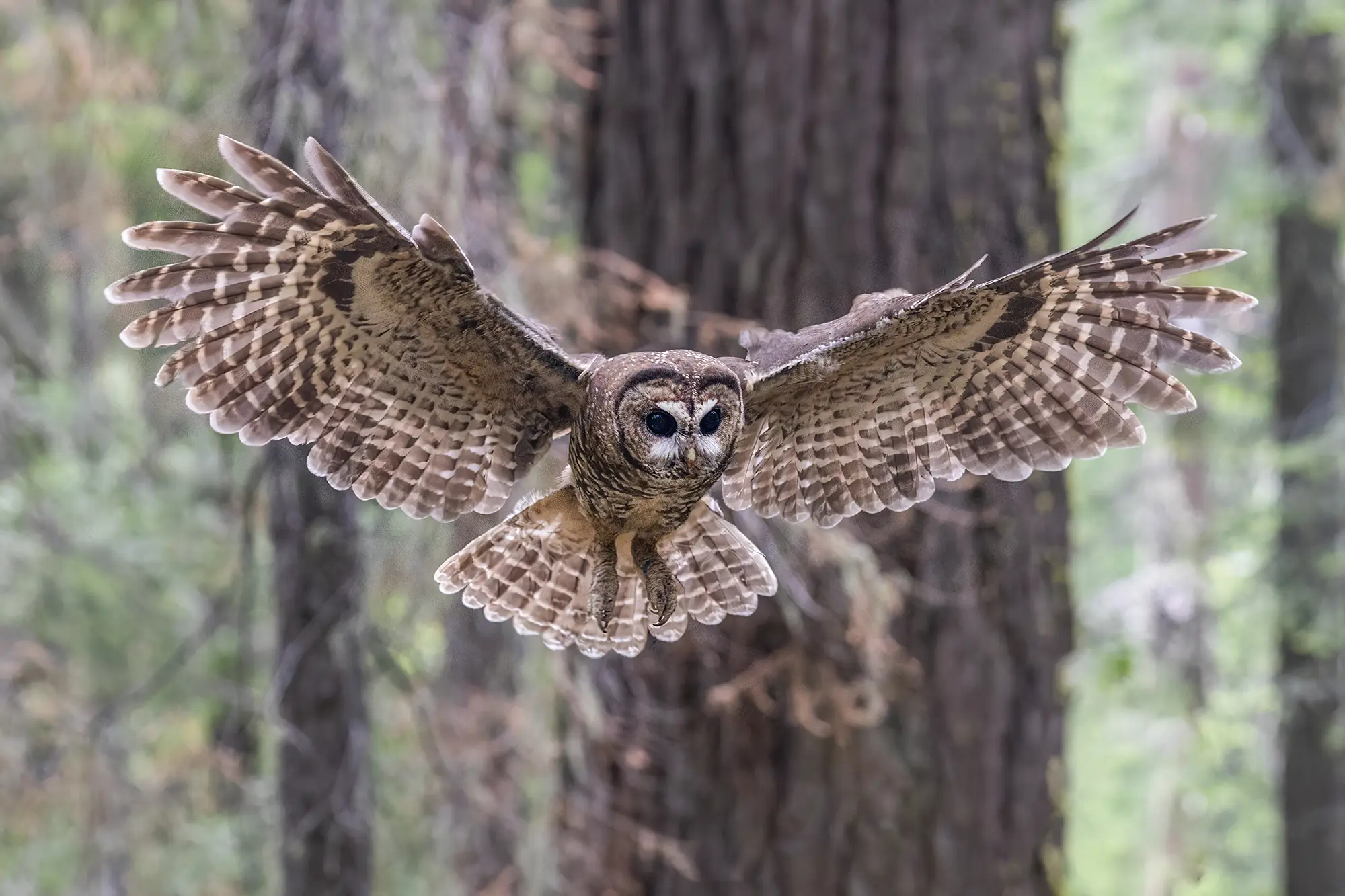
• For some species, roadless areas protect critical core habitat. This move would affect more than 7 million acres of critical habitat for endangered species and pose a catastrophic threat to 88 federally protected animals and plants across the country, including grizzly bears, Canada lynx, wolverines, spotted owls, and native fish.
• Over half the suitable habitat for the relictual slender salamander, a critically imperiled species native to the Sierra Mountains of California, occurs in a roadless area. Nearly 40% of Mount Pinos lodgepole chipmunk, an imperiled subspecies of the lodgepole chipmunk, also live in roadless areas in California.
• Research shows that every formal roadless area provides habitat for at least two wildlife species of conservation concern — those facing risks to their long-term survival — with the median roadless area supporting 10 of these imperiled species. Some Arizona roadless areas contain habitat for up to 62 of these species.
• The non-profit American Rivers warned rolling back the roadless rule is a move, if finalized, would be the largest loss of protections for rivers on federal lands in U.S. history. Since 2001, the Roadless Rule has protected millions of acres of national forest lands that form the headwaters of some of the nation’s most critical drinking water sources. “Rolling back these public land protections gambles with our public drinking water supply,” said David Moryc, senior director of river protection for American Rivers. “We can’t have a strong and healthy nation without healthy rivers. And healthy rivers begin in healthy landscapes. When we fragment forests with more roads we increase wildfire risk, degrade water quality and all pay the price.”
• Roadless areas safeguard more than 80,000 miles of rivers and streams, protecting fish and wildlife habitat and helping ensure clean drinking water for more than 25 million Americans, including residents of Denver, Atlanta, and Bozeman.