

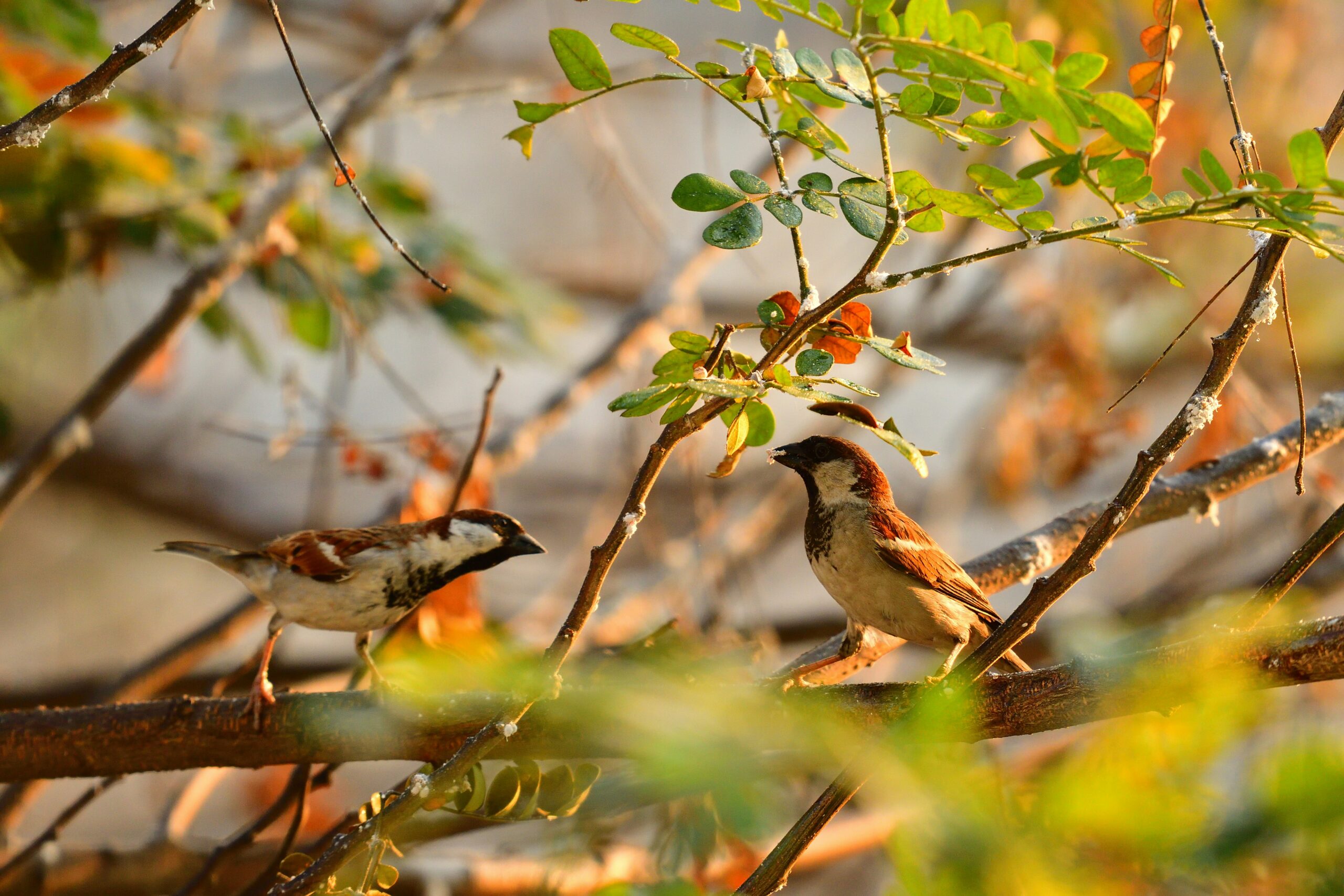
America is losing its birds, and we’re losing them at faster rates than we’ve ever seen before, according to a new troubling study published in Science.
To the surprise of nobody at Friends of Animals, birds are especially declining in areas with intensive agriculture. Researchers found that fertilizer use, pesticide use, and land use were among the best predictors of the acceleration of decline; meaning that animal farming doesn’t just seek to kill the already-doomed farm animals, but the birds and other native taxa, too.
The study monitored 261 bird species from 1987 to 2021 and found that 122 species (47%) exhibited “significant decline,” and 63 of those also experienced an acceleration in the rate of their decline.
The study also found that climate change is affecting birds, noting that the rate of bird declines were sharp in warm and warming areas, where food sources and natural migratory cycles are disrupted.
While the decline is not surprising, it should serve as a call to action for our legislators.
Reminiscent are times when protecting animals wasn’t a radical political stance. Bipartisan efforts in Congress sought to save the species that call America home. Such efforts helped to save the bald eagle and the peregrine falcon.
It was Nixon who signed the Clean Air Act, the Marine Mammal Protection Act, the Endangered Species Act, and it was even Nixon who established the EPA. As an environmentalist, he understood that if the environment was to become too unsafe for animals, it would of course be unsafe for us, too.
The naturalist and author Margaret Renkl reminds us, “it is nothing less than suicidal to believe that human beings are exempt from the ravages that human beings keep subjecting the earth to.”
Renkl recently reported from Wheeler National Wildlife Refuge, where she got the chance to see some of the 18 overwintering Whooping Cranes.
Despite being the tallest birds in America—five feet tall with a wingspan of nearly seven feet—farming and hunting pushed Whooping Cranes to the brink, dwindling their population down to just 20 in 1941.
Through conservation, they rebounded, and today their population is roughly 800 strong.
And while Renkl is awestruck by their presence, she isn’t so quick to celebrate their arrival at Wheeler. In her words: “the Trump Administration’s unceasing assault on environmental protections threatens to undo decades of conservation efforts on behalf of whooping cranes and every other endangered species.”
Let the Whooping Crane’s recovery serve as a reminder of what’s possible. We’ve done this before. Industrial agriculture, archaic policies, and hostility towards environmental action need to be addressed head on.