

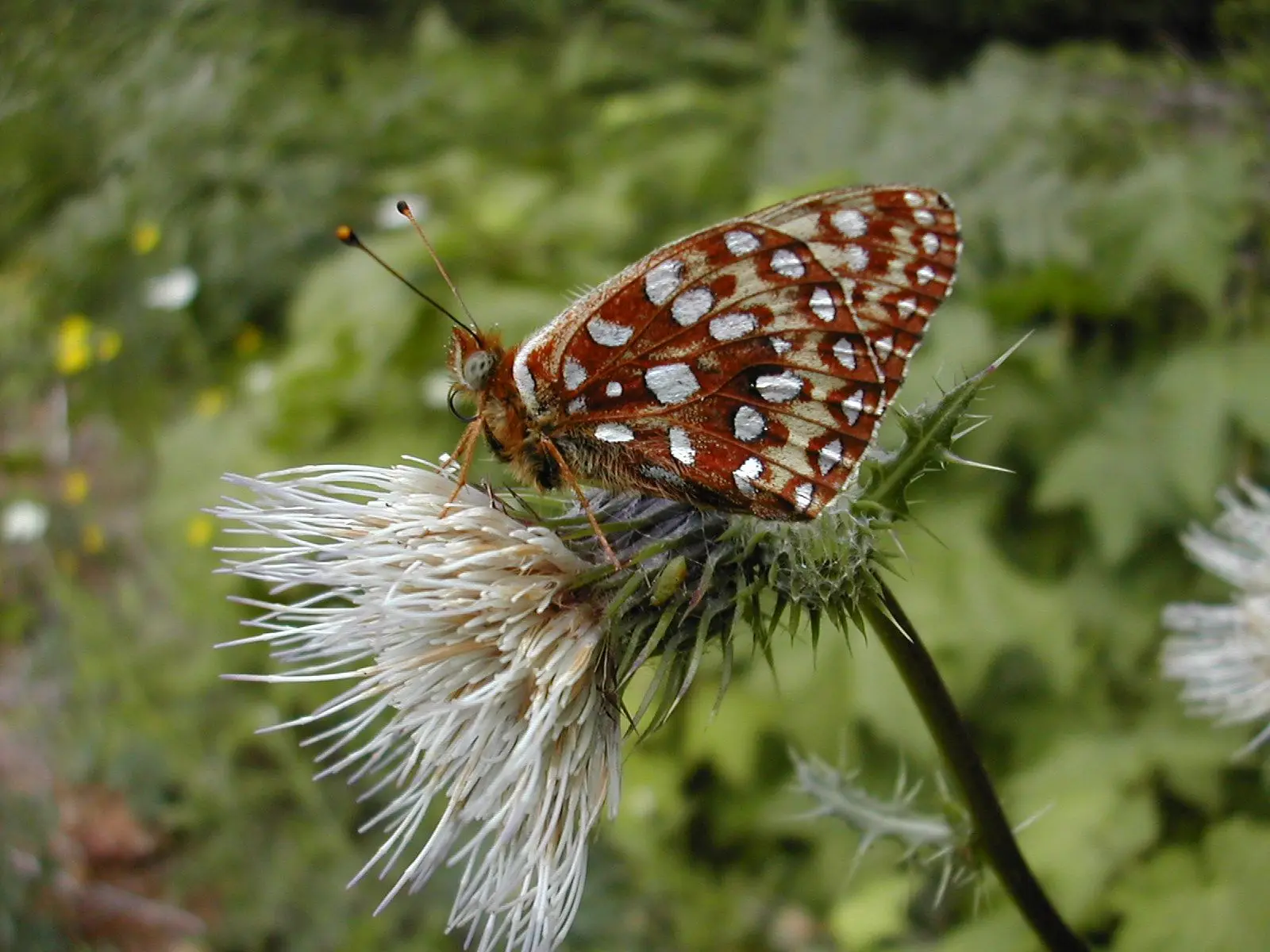
In 2025, Friends of Animals filed a lawsuit against the U.S. Fish and Wildlife Service (FWS)—following a 2024 decision to list the silverspot butterfly as threatened under the Endangered Species Act (ESA)—contending that the subspecies’ plight warrants greater protections.
We argued that a ‘threatened’ listing wasn’t protective enough since it doesn’t safeguard their habitat like an ‘endangered’ listing would.
But now, those protections may become even weaker.
Last week, the New York Times obtained a memo detailing how the Trump Administration plans to reinterpret the ESA so that only the “intentional killing” of endangered animals would be considered illegal.
The revelation came after a July rule became enacted, rescinding the longstanding regulatory definition of “harm” and repealing a 50-year-old rule that defined “harm” as encompassing damage done to protected habitat.
This newfangled reinterpretation of the law could open the door to the accidental killing of listed animals during activities like grazing, development, and mowing, among other things.
But what’s especially insane about this is that the ‘accidental’ killing of animals is never really an accident.
In the case of the silverspot, FoA argued that an ‘endangered’ listing would’ve been preferred since it would’ve been accompanied with more stringent habitat protections, which the silverspot’s survival is entirely dependent on.
The silverspot requires a series of ideal conditions to thrive; they feed on a single plant, the bog violent, and aren’t found where the bog violent isn’t present.
What’s tricky is the silverspots are native to the arid west, where the bog violet only occurs naturally in scarce habitats. Typically, only in wet mountain meadows, at elevations of 5,200-8,300 feet in southwestern Colorado, eastern Utah, and northern New Mexico; this is where the 21 remaining, known silverspot colonies—and this number may be an overestimate, because only thirteen colonies have been observed in the past decade—are holding on.
These wet mountain meadows need ample snowpack to sustain, but annual snowpack has been rapidly declining in recent years. A study published in the journal Nature found that snowpack in the American West has declined somewhere between 15-30% since the mid-20th century; and this is only trending worse: the 2025-26 winter saw the worst ever recorded snowpack in history for the West.
These ideal conditions are increasingly rarer to find, and that’s not all that silverspots are contending with. They also face direct attacks from ranchers and landowners.
Grazing and mowing degrade silverspot habitat, yet those responsible are given carte blanche by the FWS to continue.
Under Trump’s reinterpretation of the ESA, though, protections would be rendered even more meaningless.
An endangered listing requires prudent habitat protection and could make it difficult for one to meddle with an at-risk species, while a threatened listing doesn’t demand the same. For example, when a species is listed as endangered, there’s a myriad prohibitions that protect it, including “take” of the species (any harassment, capture, killing, import/export etc.). To take an endangered species, a permit is needed.
On the other hand, when a species is listed as threatened, “exceptions” are made, meaning that the species isn’t covered by these same prohibitions as an endangered species.
In listing the silverspot as threatened, FWS still allowed grazing and mowing, and exemptions for “take” were granted for agricultural practices, meaning that if ranchers accidentally killed a listed silverspot because of grazing or mowing, it wouldn’t be considered illegal.
FoA argued that the overwhelming threats silverspot butterflies are faced with warranted an endangered listing rather than a threatened one. Now, as the administration moves to narrow the ESA’s protections, the distinction between a threatened and endangered listing runs the risk of becoming meaningless.
In the meantime, though, we’re not dropping our litigation: the silverspot needs us. And continuing to press lawmakers to support legislation re-establishing strong ESA protections.
We cannot stand by and allow private interests to supersede the productive piece of wildlife legislation in American history.
As of 2023, over 1,600 species are listed as endangered or threatened under the ESA. It’s estimated that over 99% of the species listed have avoided extinction as a direct result of the protections granted under the act.
Whether or not the silverspot will join that overwhelming majority is still in the air.
Jack Keller is the Communications Director for Friends of Animals.