

#2 Drive electric
FoA condemns the EPA’s catastrophic decision to rescind its own 2009 Endangerment Finding that climate change poses a risk to human health and welfare. Our government is giving polluters a free pass, but we don’t have to. You can govern your own behavior and help keep greenhouse emissions in check to prevent more deadly wildfires, more extreme heat deaths, more climate driven floods, etc. Follow our tips on how to take steps to reduce your carbon footprint in the weeks leading up to Earth Day!
In the past year and some, the Trump Administration has been unraveling laws and regulations that aim to keep the planet hospitable.
But last month, this dismantling of good-faithed policies reached new heights.
The Administration rolled back one of the most elementary, brainless climate change laws we had on the books; they eliminated the “endangerment finding,” the formal acknowledgment of greenhouse gasses and the threat they post by the Environmental Protection Agency (EPA).
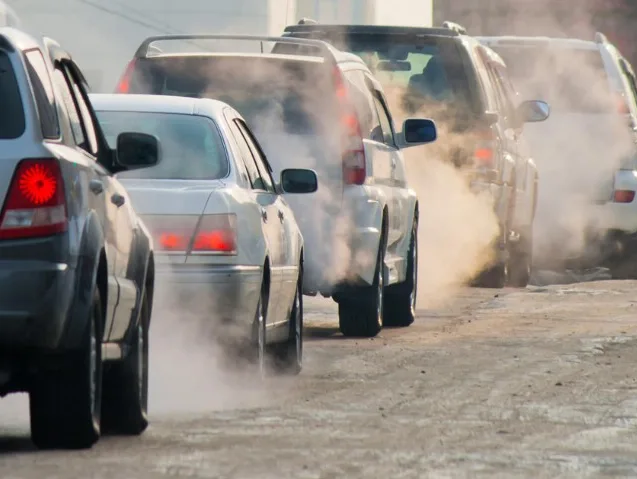
Meaning, the U.S. no longer has any meaningful emissions standards for passenger vehicles whatsoever.
According to the Environmental Defense Fund, the decision could increase the U.S.’s greenhouse gas emissions by 10 percent over the next thirty years.
Transportation also continues to be the number one cause of emissions in the U.S., representing about 29% of total emissions, and the Trump Administration is undoing efforts to reconcile that.
This also comes at a time when transportation emissions are finally beginning to decrease, and when a bipartisan coalition of governors working on climate policy reduced their emissions by 24% from 2005-2023, further maddening environmental advocates and fans of clean air alike.
The bit of good news, though, is that the state’s aren’t waiting to do the right thing; they’re fighting back.
In Colorado, legislators are planning on soon introducing a bill that will offer drivers a $2,000 discount on new electric vehicles, up from the current $750 figure. They’re incentivizing the rocky mountain drivers to vote for clean air with their wallets.
Will Toor, the executive director of the Colorado Energy Office told the New York Times that the erasure of greenhouse gas limits on cars was an especially big blow to the state’s goal of reducing greenhouse gas emissions from 2005 levels 50% by 2030.
Of course it is. Without meaningful fuel economy standards, and when civil penalties for automakers are $0 (voluntary), the largest contributor to climate change will only become dirtier; and the environment and all its inhabitants suffer.
The Trump Administration also thwarted California Governor Gavin Newson’s plan to ban the sale of new gasoline-powered vehicles by 2025. 11 other states had intended to follow the plan, worsening the blow.
Consumers, like Colorado, California, and others can fight back and vote with their wallets. Most states now offer EV rebates, tax credits, and incentives for consumers to lighten the cost of getting in a cleaner vehicle. California, for example, offers rebates of up to $7,500 based on income, and even additional grants for replacing high-emissions vehicles.
You can use guides like this and check with your state/ local municipalities to see what incentives are available to help defray costs.