

If Tik Tok’s taught me anything, it’s that good lighting and a confident tone can make just about anything sound like good advice. Whether they realize it or not, most social media users agree. How do I know? Well, they’re slathering beef tallow all over their faces.
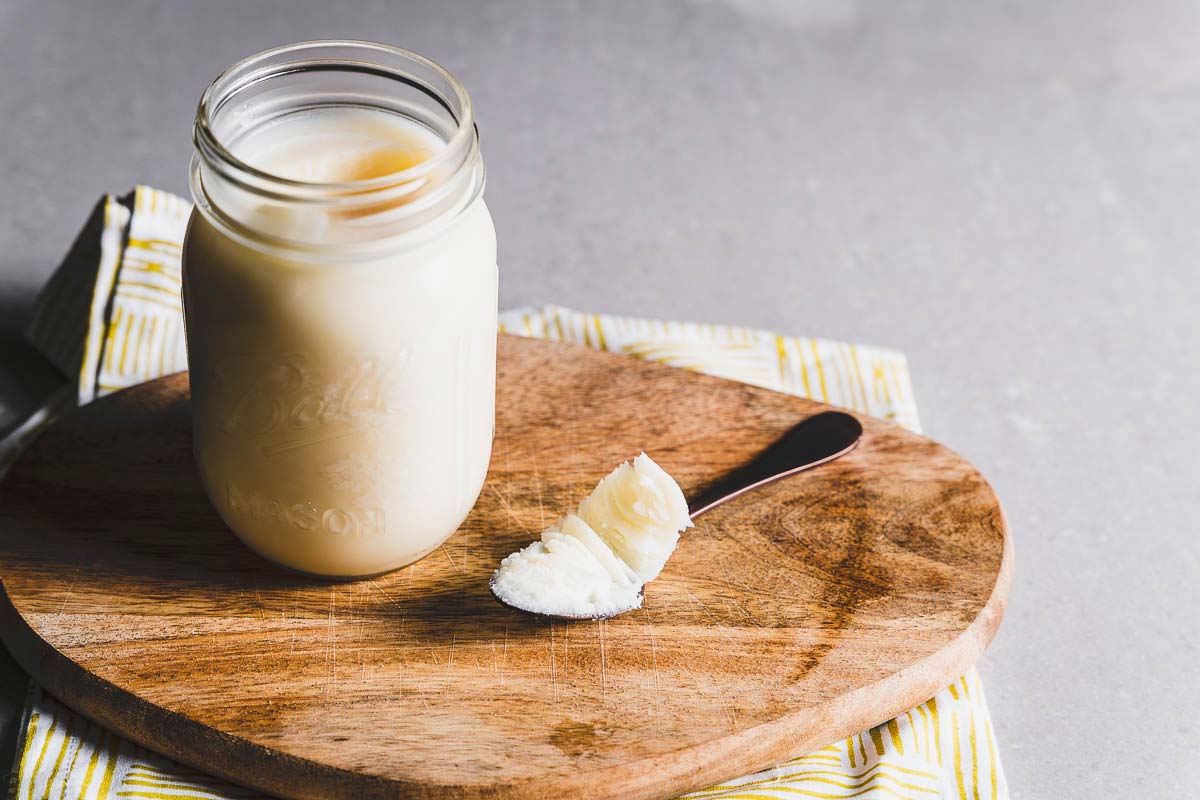
Yes, beef tallow—a byproduct of slaughter cows that is produced by rendering the fat surrounding cow’s organs—is trending as a skincare product.
It is being hailed as a “miracle ingredient,” and praised for its “moisturizing properties,” “anti-aging benefits,” and even its supposed ability to “cure acne.”
Beef tallow can even trap additional dirt and bacteria as it creates a barrier on the skin, not to mention the fact that most dermatologists agree it can also be regarded as a comedogenic (pore-clogging) ingredient.
At press time, #beeftallow has over 184,000 posts on Tik Tok, and #beeftallowskincare is used on 58,000 more. But what these videos fail to mention is that beef tallow offers nothing that modern, plant-based skincare alternatives already do—more effectively and safely.
The tallow trend comes in conjunction with a larger, attitudinal shift for some Americans—the ‘Make America Healthy Movement,’ or MAHA, which boils down to the ethos that heavily processed foods and products for consumption are the main culprits of ill-health.
Misguided Americans are expanding that mindset even further, creating fertile ground for brands eager to capitalize on fear and misinformation. So it’s no surprise that there’s suddenly beef tallow-based skincare lines everywhere.
Earlier this month, the editors from The Good Trade—an online lifestyle magazine that recently published articles titled “9 Sustainable Shoe Brands For Vegan Mary Janes,” “11 Amazon Alternatives For Sustainable Online Shopping,” and “9 Eco-Friendly and Sustainable Water Bottles for 2026”—just shared an article titled “10 Best Tallow Skincare Brands for 2026.”
It’s curious why a publication that clearly emphasizes sustainability and ethical consumption would choose to promote a product that only is possible through animal farming—one of the most environmentally destructive and ethically indefensible industries on the planet.
Since tallow is seen as “natural,” this probably didn’t even occur to them.
But labeling beef tallow as “natural” doesn’t change how it is produced. It’s extracted from animals who were exploited and killed for their meat. A byproduct of animal slaughter will always be a byproduct, even when it’s repackaged as a “supplement.”
Beef tallow isn’t trending because of new evidence or innovation. It rose because influencers and brands figured out how to sell a slaughterhouse byproduct as self-care.