

The meat and dairy industry business model heavily depends on spreading misinformation to consumers. They do whatever it takes to further their greedy agenda, whether that means paying an influencer or developing multi-million-dollar ad campaigns.
However, the industry also benefits when horrific truths remain relatively well-hidden from the public eye. When people do discover the atrocities involved in animal products, it’s often the impetus that sparks reflection and elicits change in their own diets.
Such was the case when one X user claimed “I’m just gonna have to go full vegan at this point” after learning about the wicked (but real) practice of using calf rennet in cheese production. This comment was prompted because another user declared “Today years old when I found out Parmesan cheese is made from baby cow’s stomach & I could go cry.”
It’s true: rennet, an enzyme obtained from the fourth stomach of an unweaned calf, is traditionally used in parmesan cheese, other hard and aged cheeses (think cheddar, gruyere, Manchego, Swiss, Pecorino Romano) as well as soft cheeses like blue, gorgonzola, brie, and camembert.
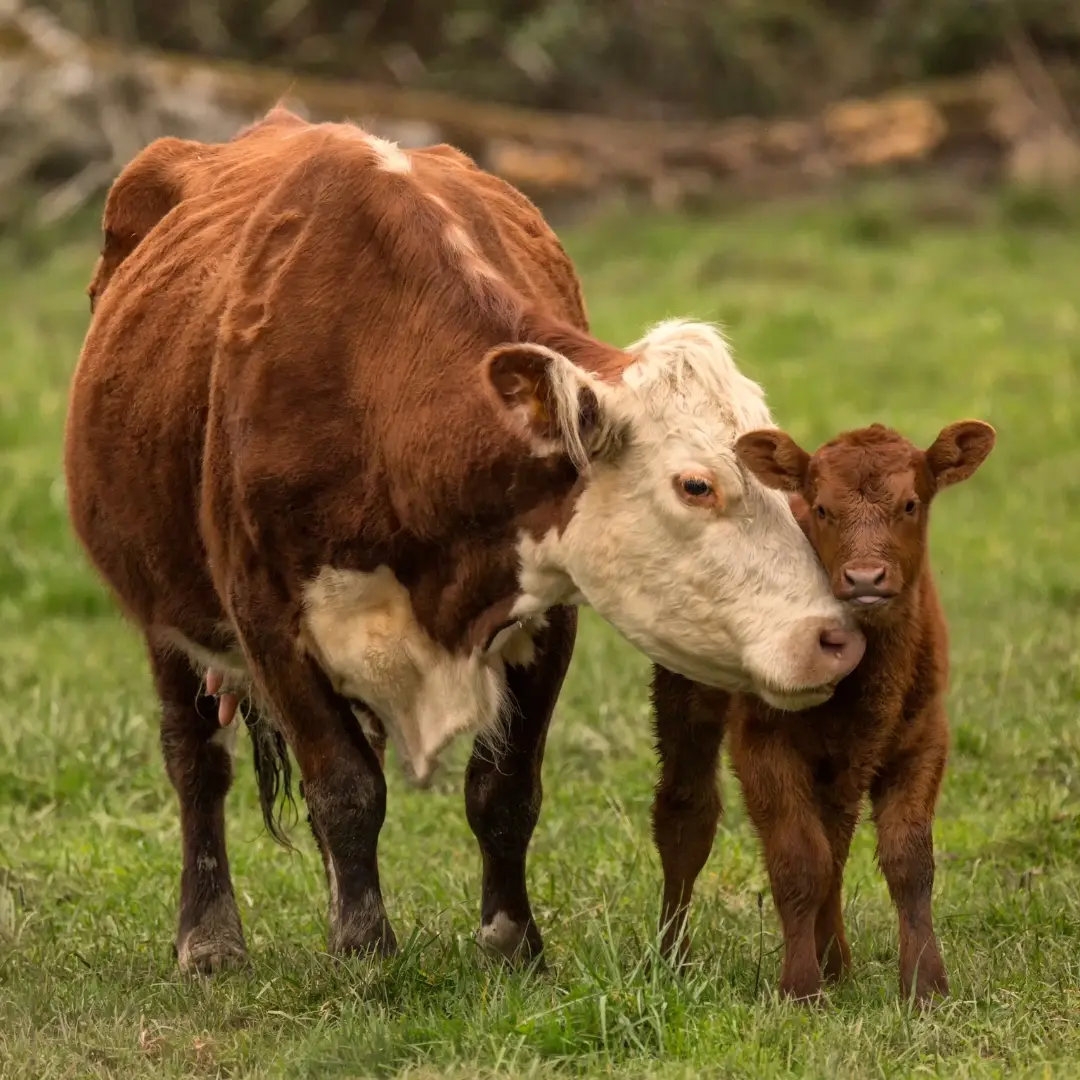
Taking advantage of these innocent babies’ diets, which consist purely of milk from their mothers, cheesemakers exploit calves for the fact that their stomach juices contain chymosin, an enzyme which coagulates milk to make cheese. Rennet causes casein molecules to fuse together, meshing into a network and causing coagulation. Casein is the opiate protein found in milk.
The practice is equal parts antiquated and appalling: the history of rennet began when ancient humans found that transporting milk in animal stomachs led to agglomeration into curds and whey.
While some cheese makers use a plant-based rennet enzyme, that will never change the fact that all cheese (and any other dairy product, for that matter) is the direct result of animal exploitation and abuse.
Crying is a totally valid reaction to learning about yet another disgusting practice of the meat and dairy industry. But the most impactful thing one can do is stop supporting this animal exploitation and abuse: ditch dairy and go vegan today.
We’re impressed with and grateful for the abundance of vegan cheese options that are available these days. No matter where you shop for groceries, from Whole Foods to Target and every grocer in between, you’ll be able to find savory vegan cheeses, smooth vegan yogurts, tangy vegan sour cream, and of course, nourishing vegan milk lining the shelves.
If you’re new to vegan cheese, look no further than the list below for a comprehensive index of products we love. Many of these brands offer a “store locator” feature on their website, so you can plan ahead for your next grocery trip.
- Violife (their vegan parmesan block is just our favorite!)
- Kite Hill, who offer an entire line of vegan cheeses, as well as sour cream and a line of yogurts
- Follow Your Heart, who has been around since 1970, offers deli-style cheese slices, shreds, crumbles, and a specialty grated parmesan. Not to mention, they make a perfect “vegenaise” mayo as well as dressings, dips, and spreads
- Rebel Cheese, who specialize in true artisanal-style vegan cheeses. Their products are a wonderful treat around the holidays
- Treeline, another artisanal-style brand known for their simply amazing spreads (though their solid vegan cheese blocks are just as superb)
- Daiya
- Miyoko’s Creamery
- Many Stores (Aldi, for example) even have their own, in-house brand vegan cheeses!
Gabe Ahmed is director of development for Friends of Animals.