

This article originally appeared in the CT Insider.
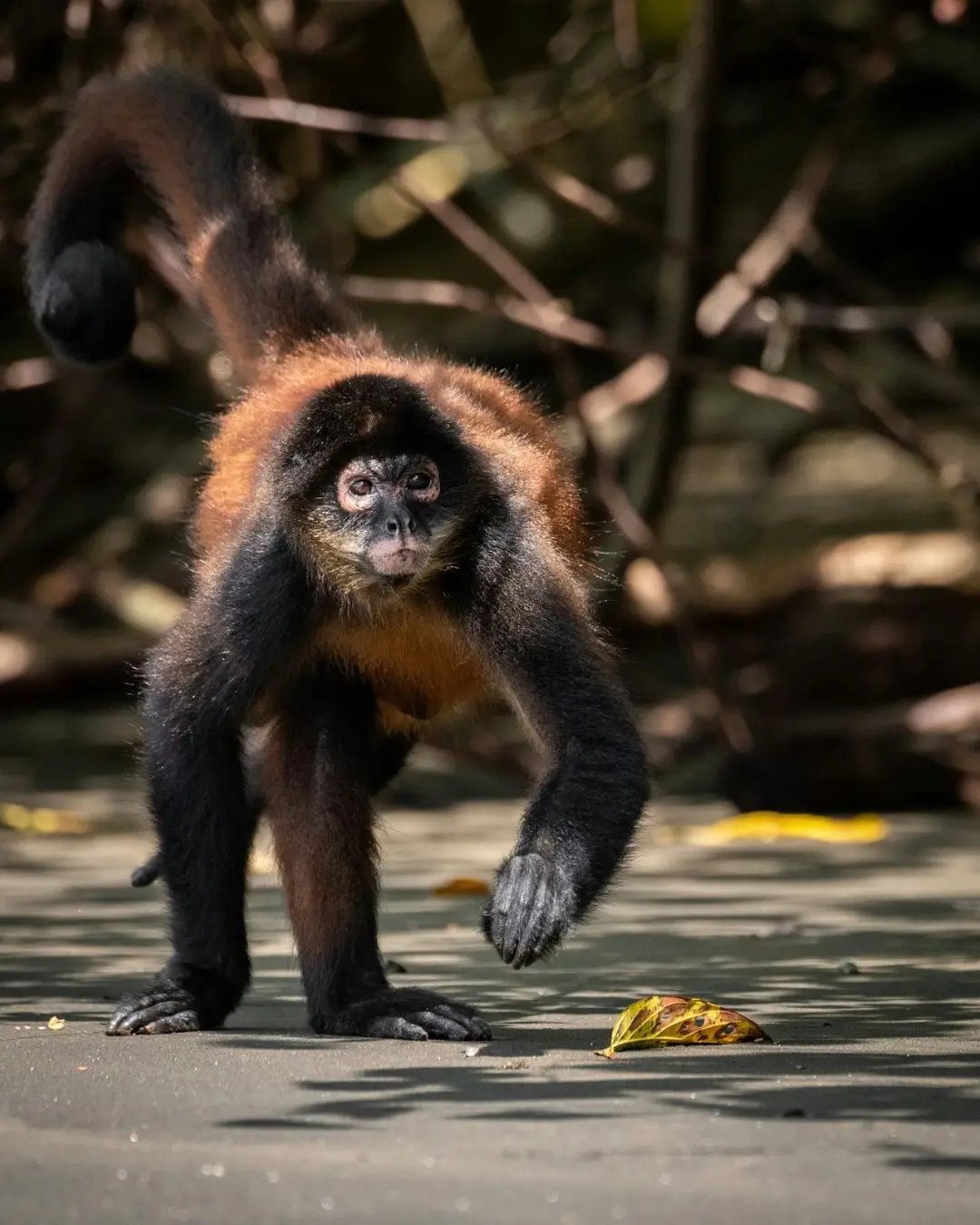
On July 28, two Enfield residents were arrested after authorities searched their home while investigating a 2025 robbery. Police discovered a spider monkey, 34 dogs, 17 exotic birds, firearms, and narcotics. The week before, two New Haven men were arrested after CT Environmental Conservation Police seized 49 reptiles, including 46 venomous snakes.
Notably, dangerous reptiles such as cobras, mambas, vipers, anacondas and rattlesnakes are all banned from private ownership in the state. And Connecticut law only allows primates under 30 pounds as service animals.
That’s why these recent incidents, as well an uptick in people seeking exotic “emotional support animals” — largely driven by social media and not by medical advice — is raising alarm bells at Friends of Animals. It’s not in the interest of wildlife to be captured and privatized. Their interests matter more than human possession of them.
Recent studies such as “Wildlife has a Facebook Problem” and “Selling Suffering: Exploring Online Sales of Exotic Pets” underscore that ownership of exotic animals as pets — from primates, wolf dogs and foxes to reptiles and sugar gliders — is on the rise. Historically buying an exotic animal meant attending an auction or finding a specialist breeder, but with the explosion of online marketplaces like Facebook and TikTok, anyone can purchase a wild animal with the click of a button. The demand is also fueling illegal trafficking.
We know all too well that highly social and intelligent primates belong in the wild. That’s because we have managed Texas-based Primarily Primates sanctuary since 2007. A staggering 100 of our 199 primates at PPI are former pets — including lemurs, spider monkeys, capuchins, and chimps. Just in the last year, since joining the Wildlife Confiscation Network, we’ve rescued two rhesus macaques and five young spider monkeys.
We learned from U.S. Fish and Wildlife Service that about 90% of spider monkeys confiscated in Texas were caught in the wild and smuggled over the border. That means they were likely living happily in the wild until a poacher came and killed their entire troop to steal them.
CT DEEP agrees that exotic pet ownership is concerning, and in many cases is against state or federal law.
“What we want more people to do is step back and think about what’s best for the wild animals they are considering getting as exotic pets. It’s never going to be in the best interest of the wild animal. Absolutely not,” said Jenny Dickson, director of the DEEP Wildlife Division.
Pet primates are often kept alone in small cages without the ability to socialize and bond with their own kind. Some arrive at our sanctuary overweight with nervous habits, such as self-harm or feverishly pacing their enclosure. For primates, reptiles, and birds, metabolic bone disease is a risk due to premature weaning and lack of access to sunlight.
Despite Connecticut being one of a handful of states with strict laws on what types of animals people can keep as pets, residents call Dickson to ask her about all kinds of inappropriate exotic animals they want in their living rooms — primates, parrots, venomous snakes (some illegally taken from the wild in the United States and likely here in Connecticut), and turtles. Multiple residents have also gotten wolf hybrids and then dumped them when they got past the “cute puppy stage” because they were not prepared for the behavior of “what in essence is a juvenile wolf.”
The weirdest request Dickson has gotten so far — someone wanting to keep a sloth as a pet.
People have some romanticized notion of what it’s like to have an exotic pet because of social media and the desire to be part of an in crowd, says Dickson, but what they see on their screens is not what they’re going to get. A 30-second reel does not show how super hormonal or exceptionally strong a wild animal gets as it matures, or that they will live for decades.
She said while sometimes it’s easy to talk people out of doing the wrong thing, for every one of those calls, she knows there is somebody else who went and purchased an exotic pet illegally.
And that’s a crime against nature.
Why? Because exotic pet ownership can lead to a host of issues including the depletion of wild populations and ecosystem harm caused by released pets that become invasive species. Not to mention, there’s zoonotic disease transmission and public safety risks from escapes and potentially deadly attacks.
On May 6, Congress reintroduced the Captive Primate Safety Act, which would at least end the cruel, selfish pet primate trade in the United States if it gets voted through and signed into law. The bill is co-sponsored by Connecticut’s own U.S. Sen. Richard Blumenthal.
Primates are not meant to be pets or playthings, Blumenthal said.
And neither are any other exotic wild animals.
Nicole Rivard is media/government relations manager for Darien-based Friends of Animals, an international animal advocacy organization founded in 1957.