

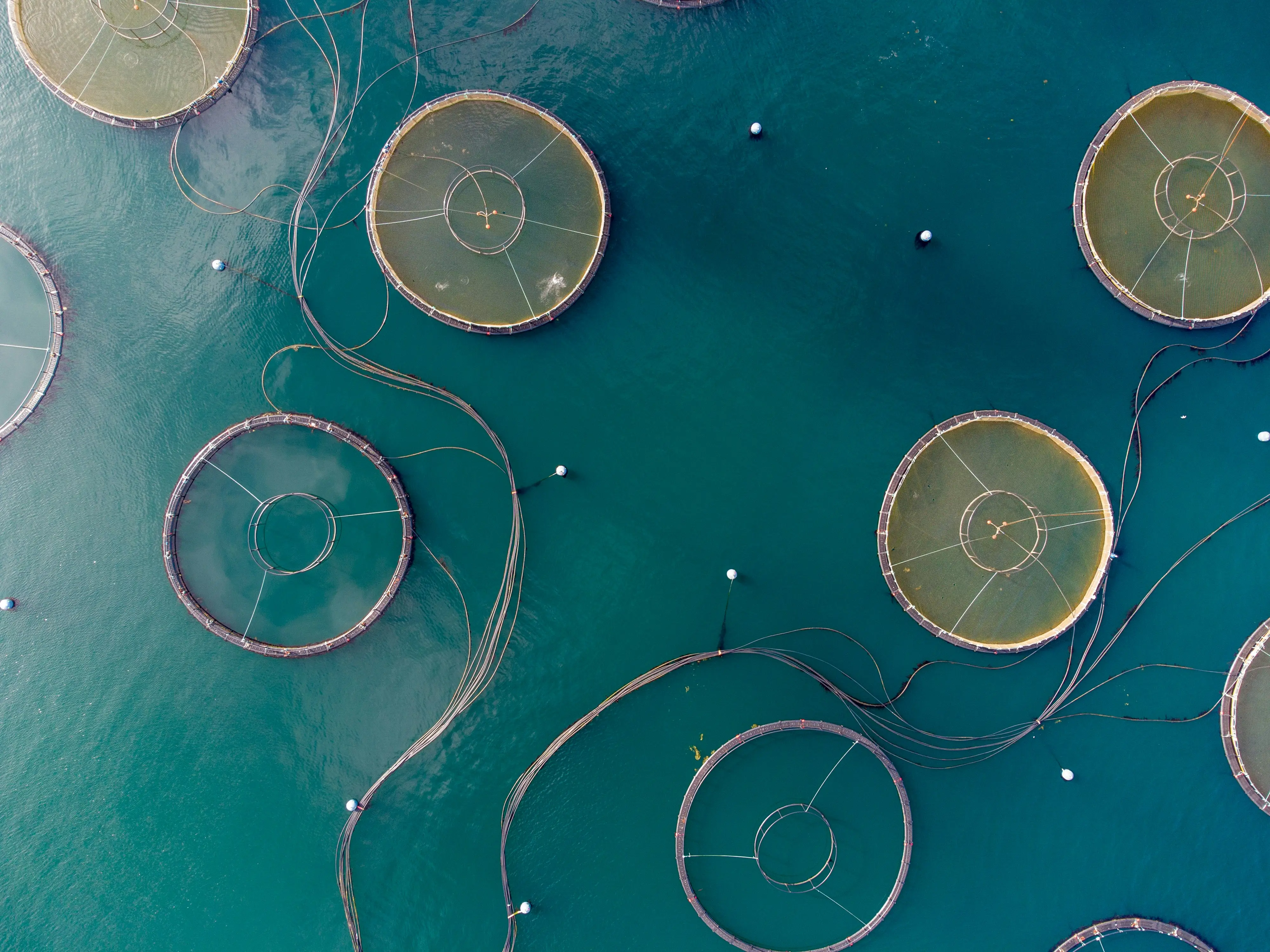
The Environmental Appeals Board (EAB) recently sided with Friends of Animals in our case challenging a permit for the proposed Ocean Era Inc. aquaculture facility, remanding the decision back to the Environmental Protection Agency. The Ocean Era facility would be in one of the most sensitive and damaged areas of federal waters, where harmful algal blooms routinely kill fish, eels, dolphins and sea turtles and represent a threat to human health.
Since 2019, Ocean Era, Inc., has been relentlessly trying to begin operation of the Velella Epsilon Project—the first open-ocean aquaculture facility of its kind in federal waters off the Gulf of Mexico.
While Ocean Era is acting oblivious to concerns about ocean pollution, the EAB found that the Environmental Protection Agency failed to exercise considered judgment in concluding that microplastics and pathogens would not cause an unreasonable degradation to the environment.
“This is terrific news in our fight against destructive offshore aquaculture,” said Jennifer Best, director of Friends of Animals Wildlife Law Program. “If the EPA merely approves the permit again without addressing the flaws in its decision, then we plan to continue our fight against this proposed facility in the Court of Appeals.”
In our most recent legal petition, filed on June 16, 2025, FoA argued that EPA made several serious legal and scientific errors in approving Ocean Era’s most recent modified permit. The modified permit had four changes: the switch from farming almaco jack fish to red drum; a reduction in the maximum amount of fish from 88,000 pounds to 55,000 pounds; a change in the net material from copper to monofilament, and a change in the anchor system to a traditional four-point grid.
“The changes in net pen design and fish species that EPA approved with the modified permit do nothing to ameliorate these threats, and in some ways exacerbate them,” said Jennifer Best, director of Friends of Animals Wildlife Law Program. “For example, the new net pen material will introduce harmful microplastics to the environment. There will be significantly more mooring lines under the modified permit than the original permit, which could entangle and harm marine life. Moreover, the facility will still release nitrogen and phosphorus, which are known to fuel harmful algal blooms.”
Why this matters more than ever
- Marine pollution reached over 17 million tons in 2021 and is projected to increase as much as triple by 2040.
- The Gulf of Mexico is prone to red tide and harmful algal blooms that turn coastal waters red, kill marine animals in massive numbers, and sicken people. These toxic outbreaks feed on the very kind of nutrient pollution that fish farms release.
- The proposed farm site is home to many threatened and endangered marine species, including five species of sea turtles, Rice’s whales, sperm whales, giant manta rays, and oceanic whitetip sharks.
- Nearly half of the species in this region—48%—are already moderately or highly vulnerable to climate change. As ocean temperatures rise, these animals struggle to survive: their ability to reproduce, grow, and thrive is being pushed to the brink.