

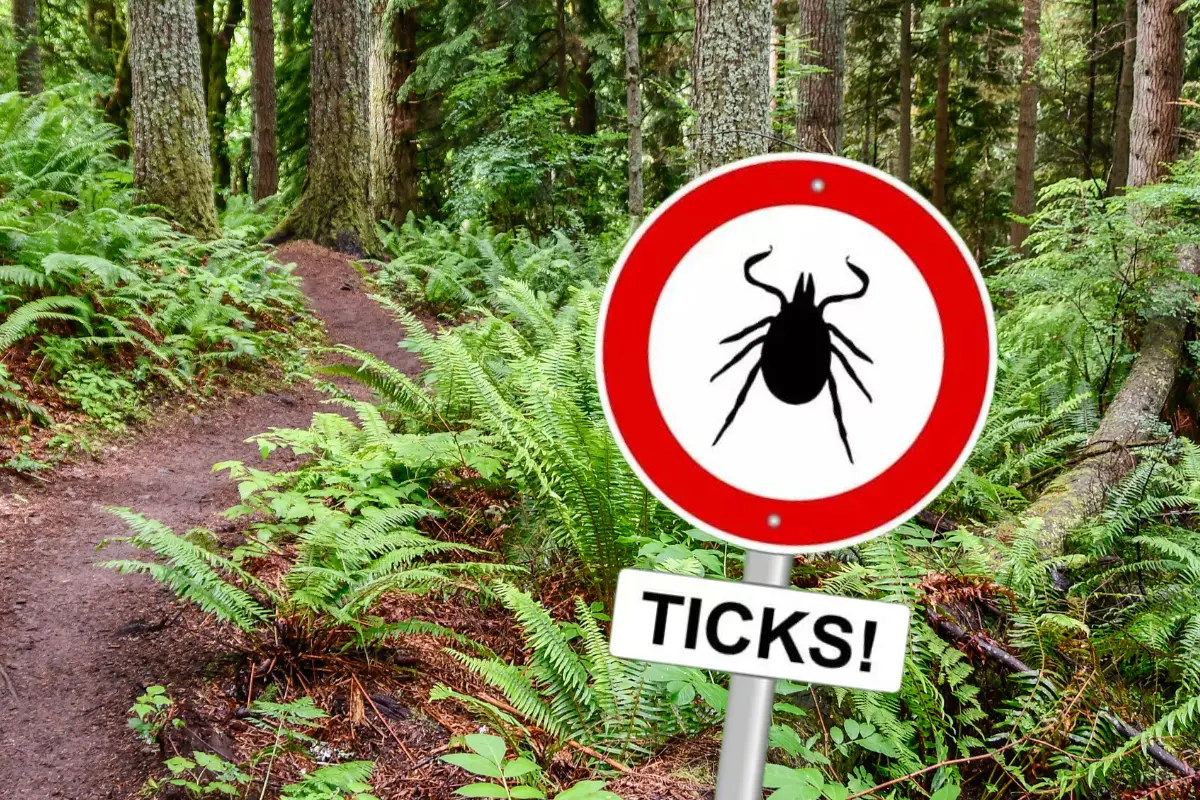
Last month, Human Health Service (HHS) Secretary Robert F Kennedy Jr. announced a sweeping new initiative to combat Lyme disease and other tick-borne illnesses. The plan hinges on a tick-control pilot program, which will “develop and deploy practical strategies to target and eliminate ticks on wildlife before they can spread disease to humans” and “making the deer less attractive for breeding and to also treat the mice.”
When an agency promises to remove ticks from the bodies of wild animals at scale, it’s fair to ask: what exactly does this mean for those animals involved? Will this become an all-out war on deer?
Of course we are worried this will be a crackpot plan—Kennedy, Jr. does not hold a scientific or medical degree and has made a number of ludicrous announcements about other health issues. Not to mention he confessed to picking up a roadkill bear while driving in upstate New York, planned to skin it for meat, but later staged it to look like a bicycle accident in Central Park.
In 2024, amid his presidential campaign, RFK Jr. went on a podcast and declared that Lyme disease “is highly likely to have been a military weapon” suggesting it originated in a military lab. He’s since walked back the claim, but did acknowledge “I probably did say that” in a Senate hearing. This is the person driving federal Lyme disease policy.
“Treating” mice is vague, but it likely means applying chemical pesticides directly onto the wild animals; that’s one of the most established wildlife-tick control methods. The chemical commonly used is called permethrin, a highly toxic pesticide with disastrous effects on the environment.
“Tick tubes,” are a popular permethrin application method. They contain cotton balls laced with permethrin, and unknowing mice will collect the cotton and use it for nest-building, exposing themselves to the poison. This isn’t as gentle as it sounds. According to the EPA, permethrin is “likely to be carcinogenic” if consumed by humans and other mammals.
Permethrin eventually works its way into streams, rivers, and other waterways where it is incredibly harmful to aquatic life. Even low concentrations of the pesticide can be lethal within 24-96 hours for some fish species. It’s also highly lethal to bees and other pollinators, who can easily be exposed.
Friends of Animals also knows that ticks aren’t selective, they ride every mammal they can get ahold of; you’re far more likely to get bitten by a tick that rode on a cat or dog than a deer or a mouse.
Eliminating deer and mice doesn’t eliminate ticks, it displaces them onto other hosts.
Deer exclusion in smaller areas is likely to amplify ticks and produce tick-borne disease hotspots where rodents are ubiquitous, according to a study conducted at Penn State University.
In other words, killing hosts like deer could actually put humans at higher risk of transmitting Lyme disease.
Tick precautions that won’t come back to bite you—or the environment
We will continue to monitor the Lyme Disease initiatives and take action to protect wildlife if necessary.
In the meantime, the good news is that there are simple, proven natural precautions that can help keep you, your children, and your pets safe. Safe tick and flea treatments for your pets include natural products that contain Geraniol, a biodegradable ingredient that’s safe for the environment and can be found in local pet supply stores. Look for the following natural products: Alzoo flea and tick repellents; Nantucket Spider repellent spray for dogs; and Oscar’s Critter repellent spray.
Regularly check your pet for ticks using a flea/tick comb or by rubbing a masking-tape lint roller over the bodies and heads of cats or dogs. Also keep an eye on areas where your pet sleeps.
The safest way to reduce the tick population around your home is by discouraging mice, a tick’s main vector for disease. Seal off access points and food sources and place trash in tightly lidded containers. Remove piles of leaves or other debris that provide shelter for mice.
Store wood piles by elevating them and keeping them away from your home.
To keep yourself tick-free while out hiking, apply a natural tick repellent made from essential oils such as lemongrass or cedarwood. Wear a hat and long, light colored clothing (It is easiest to spot ticks on light clothing), and tuck your pants into your socks so ticks can’t crawl up your legs. The advocacy group Beyond Pesticides further recommends using unscented shampoo and deodorant as well as Packers Pine Tar Soap, which seems to keep ticks from biting once they find you.
Most important, check yourself and your pets thoroughly for ticks each day. Solicit help or use a mirror for hard-to-see areas. Pay special attention to the back of the neck, behind the ears and knees, between toes, and the groin. Also check anything you were carrying, such as a backpack or blanket that was put on the ground. Promptly shower to wash off any ticks that have not yet become embedded and place your clothes in the washer to kill any unnoticed ticks.