

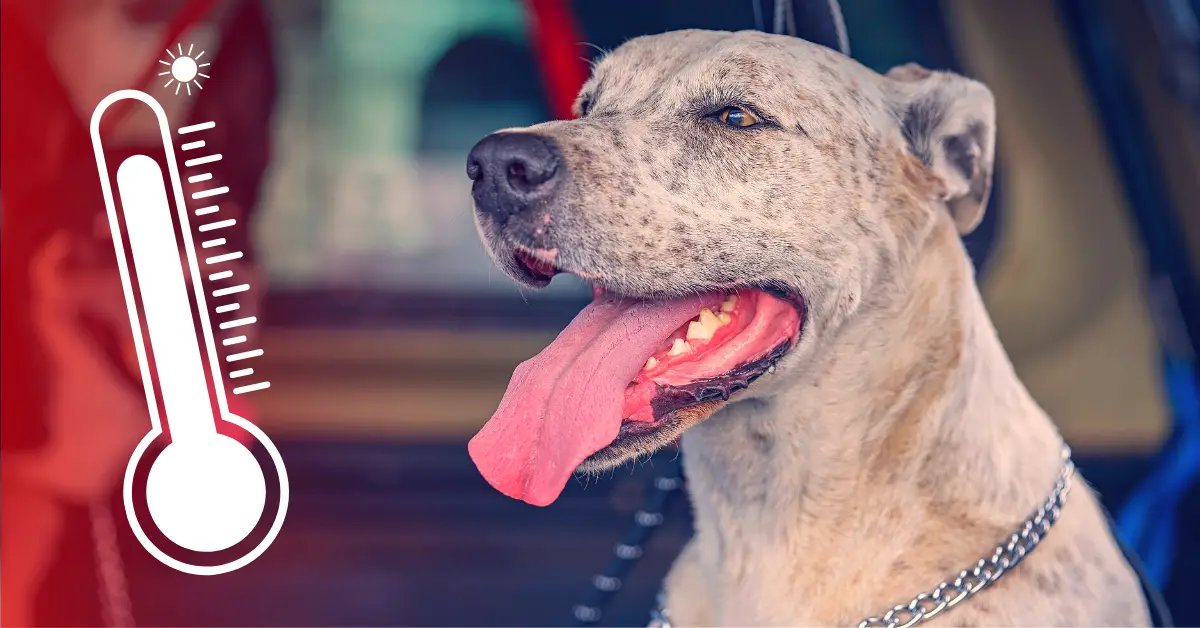
With the weather approaching dangerous temperatures today through the Fourth of July, you might be wondering how you can prevent your dog from developing heatstroke and other heat-related injuries? First off, it’s summer, so don’t take your dog on a shopping spree and leave them in a car. You wouldn’t leave a child in the car.
Did you know that on a 78-degree F day the temperature can reach 120 degrees F in just minutes. Even if it is only 70 degrees F outside, the temperature inside of the car can increase by 40 degrees in an hour. While you may be tempted to leave them in a running, air-conditioned car, it is unsafe to leave dogs unattended in running cars.
Please read these other tips compiled from the vets we take our own pets to & the Cornell Richard P. Riney Canine Health Center:
PREVENTION
• In the extreme temperatures ahead, high humidity or on any summer days when there is a dramatic temperature change, keep pets cool indoors, ideally with air conditioning or fans. When you must go outside for bathroom breaks, limit activity to the cooler times of the day. Plan for walks in the early morning or evening hours. While the most direct sunlight occurs around noon, the day will be the hottest towards late afternoon, around 3-5 p.m.
• Blacktop retains a lot of heat and can be much hotter than the ambient temperatures. While the pads on dogs’ paw are a lot tougher than our skin, they can still suffer burns from walking on hot pavement. If you cannot put your own hand or stand barefoot on the pavement for about 10 seconds, then it is likely too hot for your dog to walk on too.
• Know your dog’s limits. Brachycephalic (flat-faced), senior, overweight, and puppies are all at higher risk in hot or humid weather.
SIGNS OF HEATSTROKE AND WHAT TO DO TO COOL THEM DOWN
While some dogs are at higher risk, it’s important to note that all dogs are susceptible to heat stroke. Dogs only have sweat glands on their paws so their primary method of dissipating heat to cool themselves is through panting.
• Heavy panting, seeking shade, whining, reluctance to play and drooling may be early signs that your dog is overheating.
• Bring them into cool air conditioning with access to water immediately. You can also wet them with cool water and place them in front of a fan. Be sure that double-coated breeds (e.g. Siberian Huskies, Pomeranians, Great Pyrenees, etc.) are wet down to the skin.
• Let them take small sips of water. Do not force water or give large amounts all at once. Avoid ice or very cold water as it can constrict blood vessels and slow the cooling process.
• If your dog continues to excessively pant and drool, or they begin to have difficulty breathing, bloody diarrhea, vomiting, weakness, confusion, seizures or collapse, then they should be taken to a veterinary hospital immediately — these are signs of heatstroke which is a life-threatening medical emergency.