

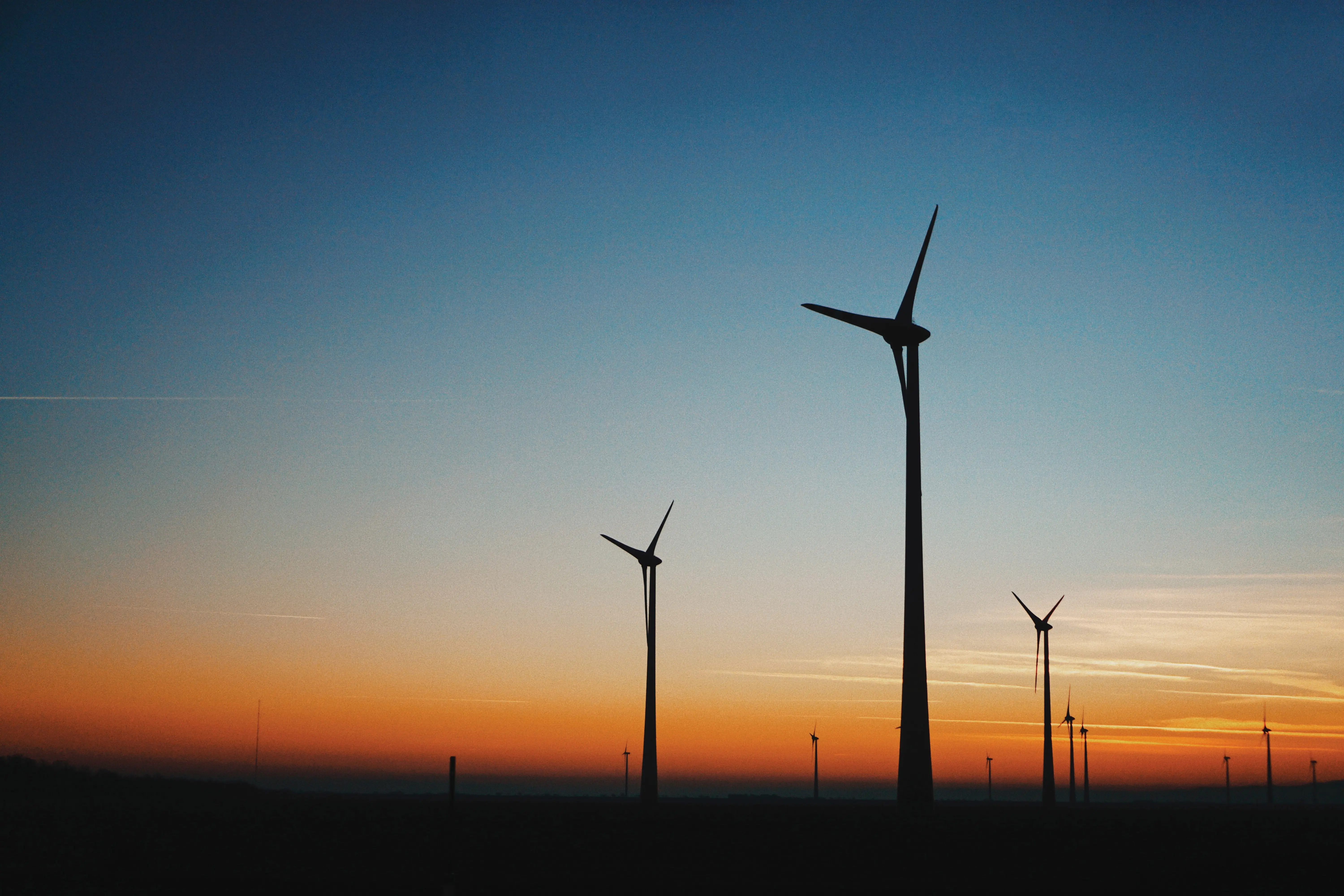
Over the weekend the Administration halted work on a nearly completed off-shore wind farm under assembly in New London, Connecticut, leaving state officials and the developers scrambling to find a way to convince federal authorities to reverse course — and keep the multibillion-dollar project afloat. Governors of both Connecticut and Rhode Island are prompted to consider a lawsuit. The project already has hundreds of employees.
At a press conference Aug. 25, U.S. Sen. Richard Blumenthal, who formerly served as Connecticut’s attorney general, called the administration’s decision to halt work on a fully-permitted project “insane,” and FoA agrees. It’s crazy to stop the 80% complete Revolution Wind project.
Wind power is a powerful tool in the fight against the climate crisis because it is an inexhaustible resource that provides electricity without burning any fuel or polluting the air. Wind energy helps avoid 329 million metro tons of carbon dioxide emissions annually—equivalent to 71 million cars worth of emissions that along with our atmospheric emissions cause acid rain, smog and greenhouse gases.
In 2023, wind energy provided 10% of total electricity nationwide, more than 60% of power in Iowa (62%), and over 30% of power in South Dakota (55%), Kansas (47%), Oklahoma (44%), North Dakota (37%), New Mexico (35%) and Nebraska (31%).
As we reported in our magazine Action Line, new efforts are underway to help wind energy achieve full conservation potential by minimizing impacts on bats, raptors and other species. Considering the impact to wildlife and determining how and where to develop wind energy and requiring that the industry take steps to protect vulnerable wildlife can lead to a more responsible and lasting energy system.
The Administration’s devotion to catering to polluters and the fossil fuel industry is the handwriting on the wall, while clean energy offers eco-friendly ways of powering our lives without causing climate havoc and environmental degradation.
Revolution Wind was due to deliver about 300 megawatts of electricity to Connecticut and 400 megawatts to Rhode Island upon its completion in 2026. If the project doesn’t move forward, officials said Monday that both states and their power utilities will have to procure other, potentially costlier, sources of electricity to meet customer demand.