

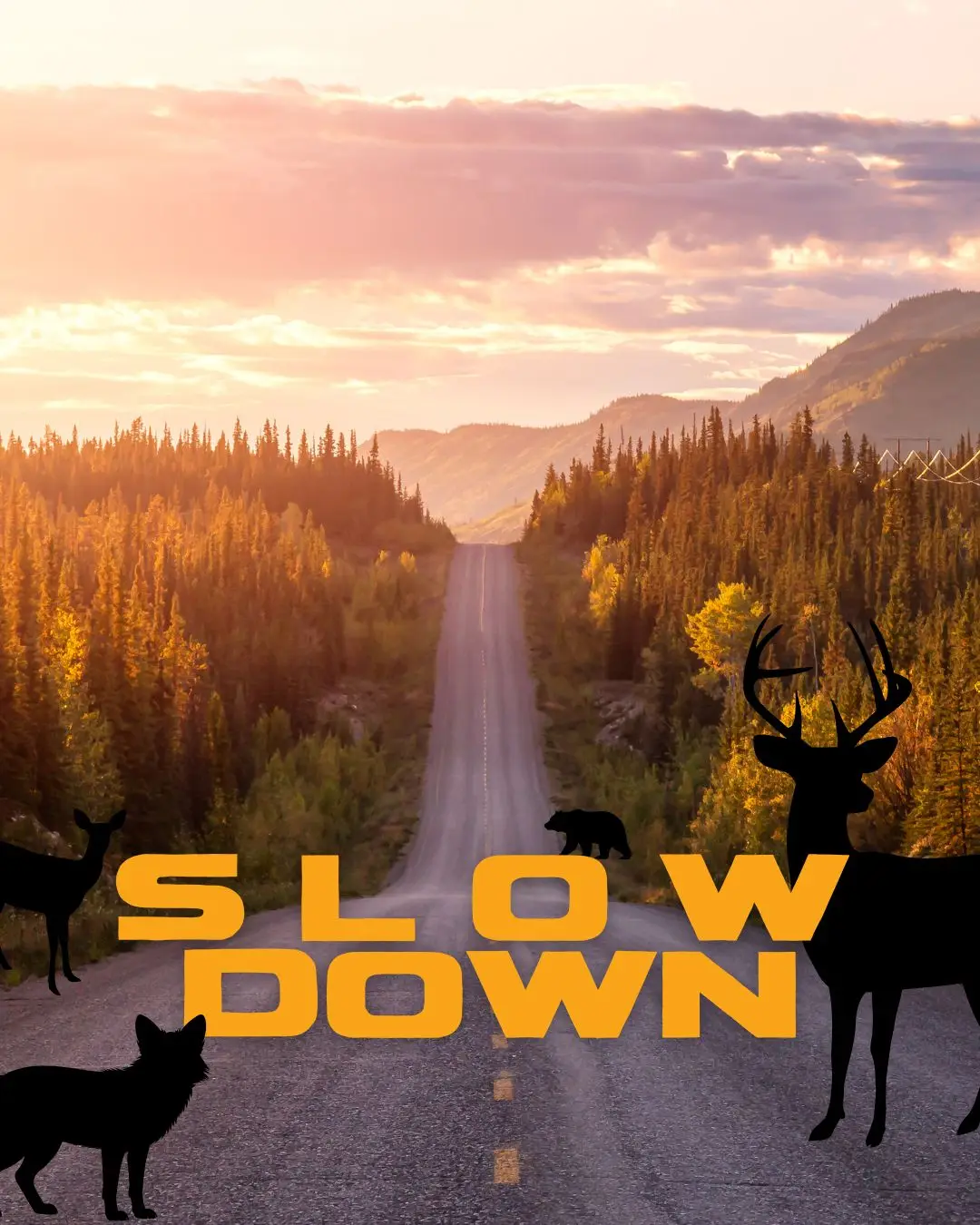
Over the weekend I was delighted to see a raccoon crossing the street around dusk. Some people assume that seeing a raccoon out during the afternoon indicates that it is sick, but autumn is when raccoons are most visible. As the days grow shorter, they ramp up efforts to find food.
Like many wild animals raccoons instinctively know that winter brings a scarcity of resources, so they are busy eating as much food as they can so they can build up an extra layer of fat. For many species it’s also time to find warm safe dens. Others, such as deer, are engaged in mating.
Unfortunately, all this activity in October, November and December also coincides with human animals driving more in the dark due to less hours of daylight. That’s why they are the most dangerous months for animal-related collisions, accounting for an estimated 650,000 incidents, according to State Farm.
It’s up to us to prevent collisions with wildlife.
Overall, there were 1.7 million auto insurance claims in the U.S. from animal collisions between July 1, 2024, and June 30, 2025. This is a slight decline from the 1.8 million in last year’s study. The newest data shows that drivers face odds of 1 in 139 of being involved in an animal collision.
West Virginia (1 in 40) and Montana (1 in 53) held their positions as the top states for animal collisions. Wisconsin (1 in 58) rose from the fifth top state last year to the third top state this year. Michigan (1 in 61) dropped from third place last year to fourth this year. Pennsylvania (1 in 62) also dropped from the fourth spot to the fifth spot on the list.
No matter what state you live in, please heed these tips to avoid animals on the road!
Remember peak season. Animal collisions happen most during October through December, which is hunting and mating season.
Remember mealtime—dusk to dawn are high-risk times. Deer for instance, are most active at dawn and between 6-9 p.m., so use high beams at those times. Flicking your high beams on an animal in the road may cause the animal to scurry away.
Don’t rely on deer whistles. State Farm advises: No scientific evidence supports that car-mounted deer whistles work.
Don’t speed or use the phone. These risky behaviors increase the likelihood of an animal strike by 23%.
Use extra caution in known animal crossing zones. Reduce your speed and maintain a constant lookout for animals. Travel at a speed that will allow you to stop in time if an animal comes into the beam cast by your headlights. Pay attention to “deer crossing” and “wildlife crossing” signs and be cautious in areas near woods or water.
Scan the road and don’t swerve when you see an animal. Brake firmly when you notice an animal in or near your path, but stay in your lane. Many serious car crashes occur when drivers swerve and hit another vehicle or lose control of their cars.
Brake, as necessary. If you can avoid hitting the animal, reduce your speed, honk your horn and tap your brakes to warn other drivers. If there are no drivers behind you, brake hard.
Watch for herds. If you see one deer, there are probably more nearby.
Always wear your seat belt.
Nicole Rivard is media/government relations manager for Friends of Animals.