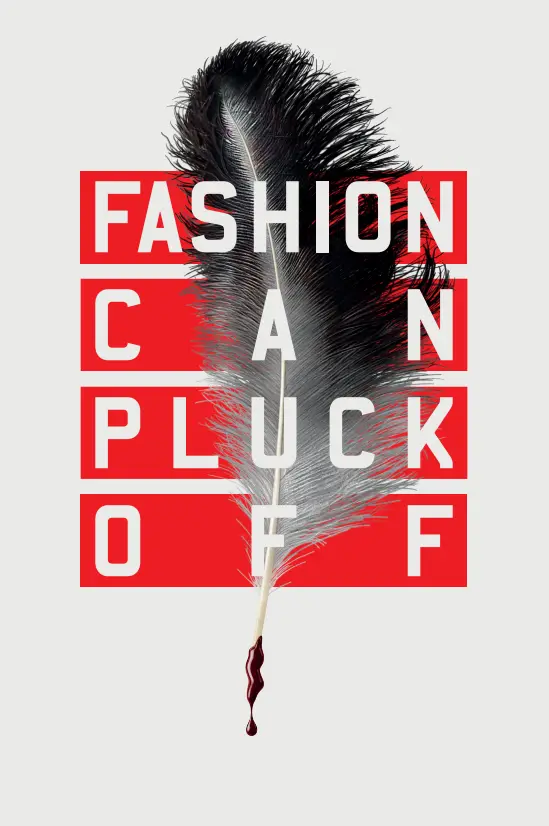
FoA launches bold new campaign against use of feathers in fashion
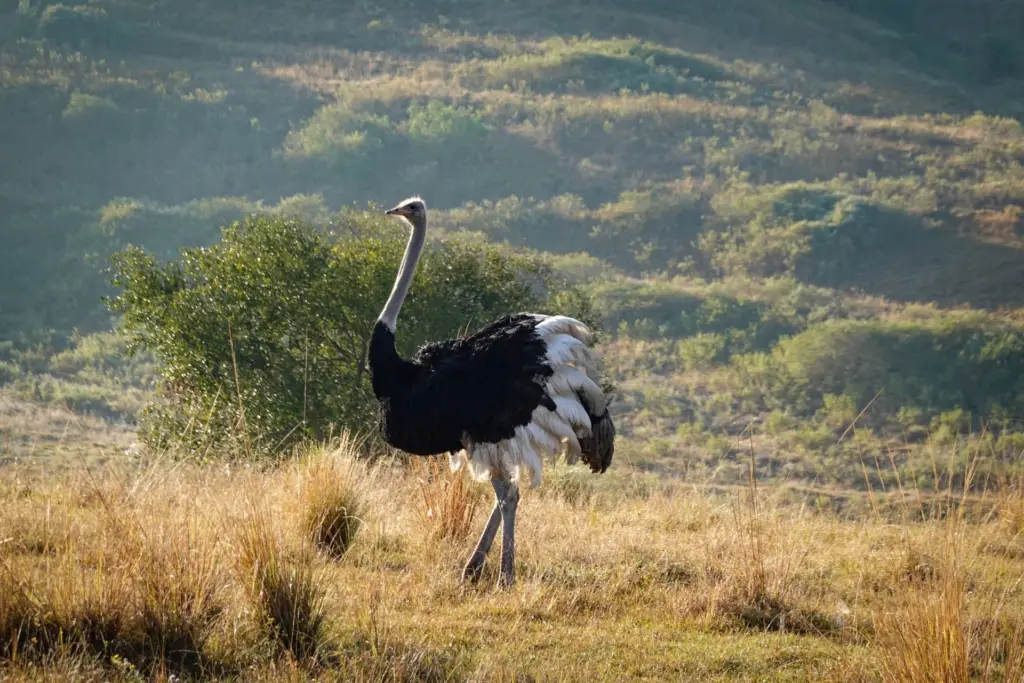
At 9 feet tall, with a wingspan of more than 6 feet wide, and the ability to run at the speed of 43 miles per hour, ostriches are the fastest-running, largest wild birds in the world. They should also be revered for the vital role they play in the African savanna, where they walk dozens of miles a day. They contribute to seed dispersal, control small animal populations, and form symbiotic relationships that enhance predator detection and biodiversity.
Crows around the world are capable of abstract reasoning, complex problem-solving, and group decision-making. And they are adept at communication. A sudden call from a crow acting as sentinel may not only warn of danger, but signal whether flying, hiding, or mobbing will be the best strategy for coping with the threat.
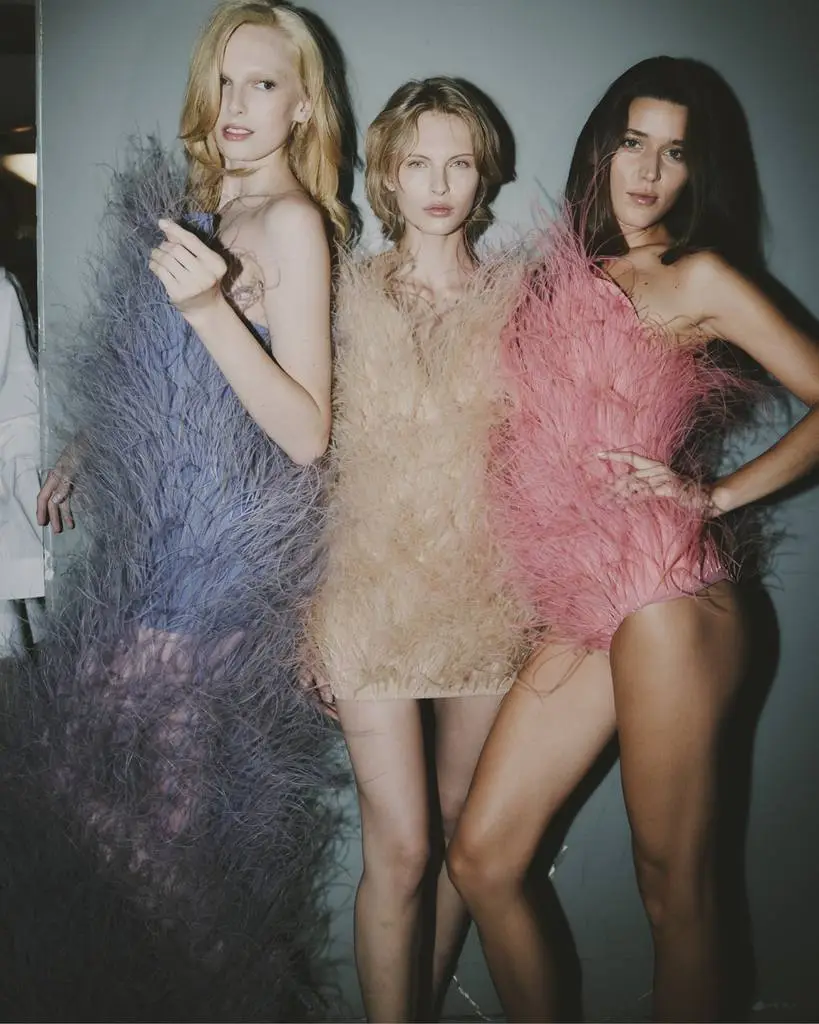
They are geniuses. The same cannot be said about the celebrities who attended the Met Gala in NYC on the first Monday in May—and a plethora of actresses and singers who strutted the red carpet at the Oscars and Grammy’s during spring awards season. The celebrities, designers, and fashion writers all shamefully reduced birds and their feathers to a texture.
“Feathers emerged as one of the night’s clearest texture plays at the 2026 Met Gala, showing up in concentrated placements rather than full-on plumage,” said Women’s Wear Daily.
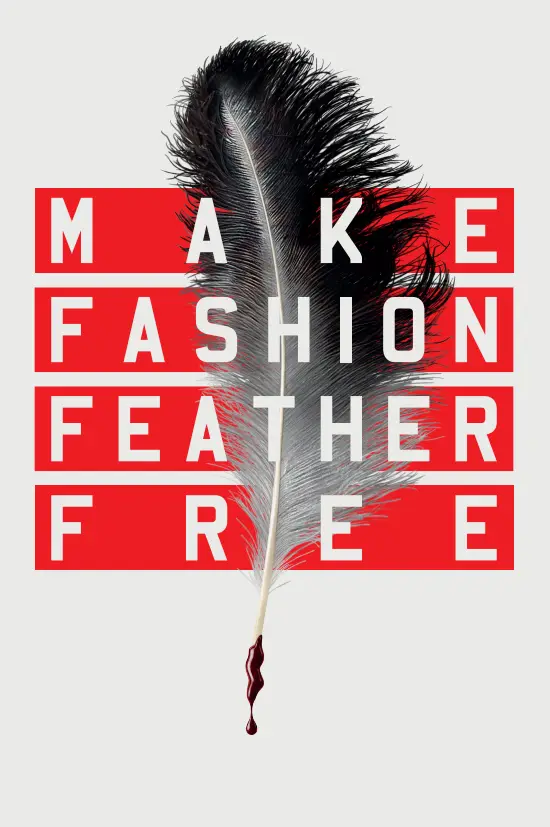
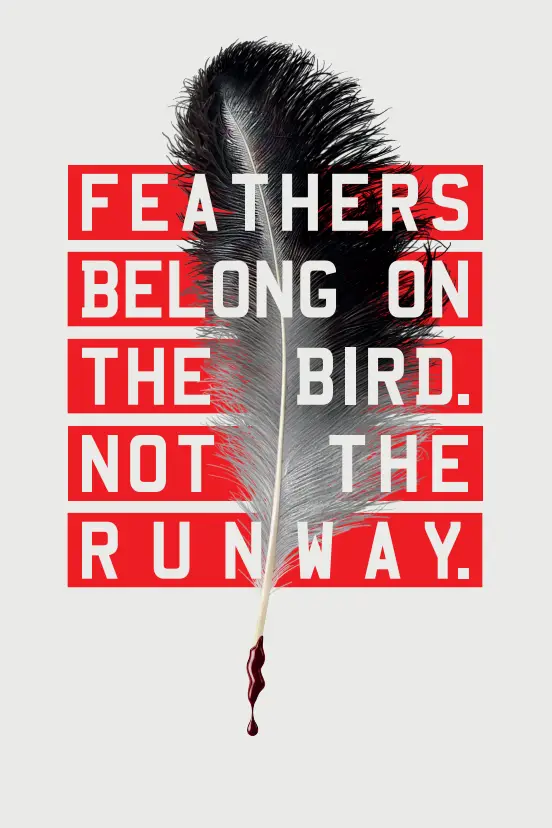
Friends of Animals is calling out all fashionistas for the heinous act of trying to make feathers the new fur in a new advertising campaign directed by Maison Celeste ad agency in Atlanta. Feathers are the latest luxury fashion trend to distinguish the haves from the have nots.
Adding insult to injury, no one even bothers to identify the types of feathers, as if it doesn’t matter to the animals whom they belonged.
The Met Gala was framed around a “fashion is art” theme. Since when is animal cruelty art?
What’s true for fur is true for feathers—wild animals belong in the wild and whether wild birds are captured from their natural habitat or confined in factory farm conditions, live-plucked, or killed for their feathers, it’s all animal cruelty, a denial of animal sentience.
And no one can wear that well.
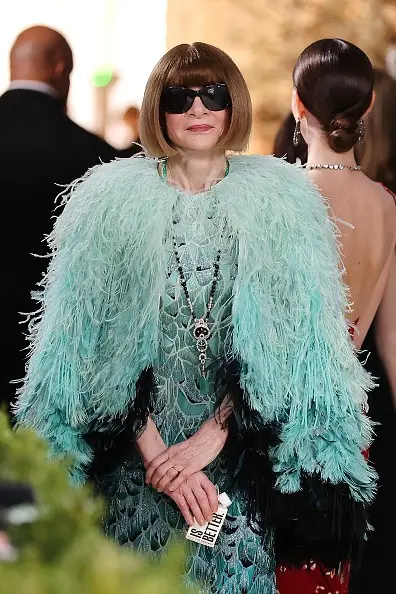
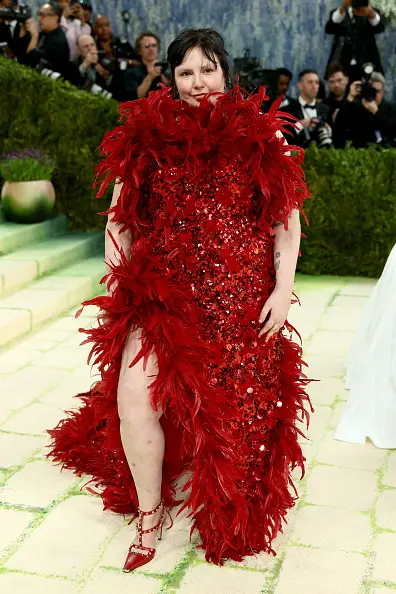
Not Anna Wintour, Nicole Kidman, or Beyoncé,—all of whom were draped in ostrich feathers at the Gala. Nor can Lena Dunham, who wore a red sequined and crow feathered Valentino gown designed by Alessandro Michele.
While crows are federally protected under the Migratory Bird Treaty Act in the United States, in Italy, where Valentino is based, using crow feathers in fashion is legal, provided the feathers are sourced from legally hunted or bred bird populations.
NEW YORK, NEW YORK – MAY 04: Lena Dunham attends the 2026 Met Gala celebrating “Costume Art” at the Metropolitan Museum of Art on May 04, 2026 in New York City. (Photo by Dimitrios Kambouris/Getty Images for The Met Museum/Vogue)
Feathers are as cruel & deadly as fur
At the Grammy’s in February, singer Kesha said that her white ostrich feather gown by Atelier Biser was inspired by the goddess Athena and was intended to symbolize her first Grammy weekend as a “free woman,” referencing her freedom to owning the rights to her own voice.
Oh, the irony.
Ostrich farming robs these majestic birds of their wildness, freedom, and lives. They are confined to barren feedlots, and it is estimated that more than one million birds are slaughtered each year, according to the 2023 report “Feathers are the New Fur,” released by Collective Fashion Justice (CFJ) and World Animal Protection.
While several bird species are exploited by the fashion industry, including peacocks, pheasants, roosters, and turkeys, ostrich feathers are the most in demand. South Africa dominates the market, producing as much as 70-85% of ostrich feathers, skins, and meat, according to the report. The report also reveals that it is estimated that 350 ostrich-rearing facilities in South Africa raise birds for slaughter. About 90% of ostrich products are exported, highlighting the power of the global fashion market over this industry.
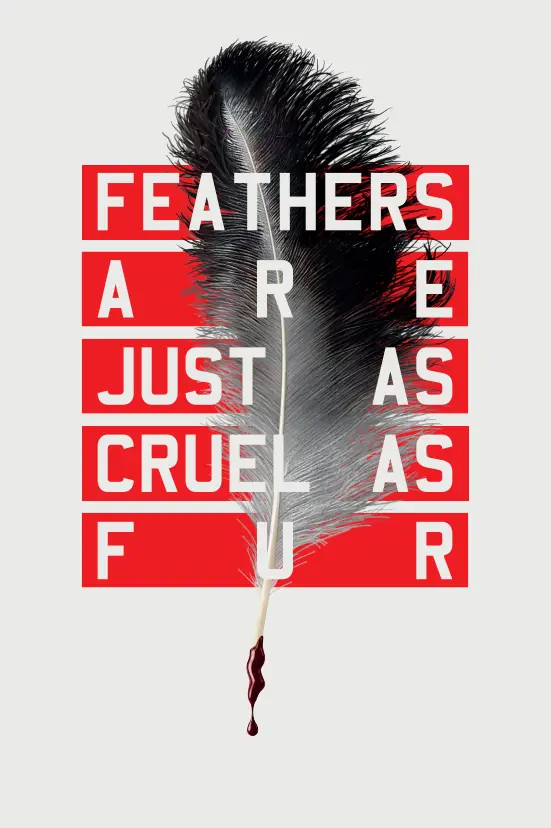
“Feathers are just as cruel as fur, also taken from animals who are slaughtered specifically for fashion,” CFJ’s founder Emma Håkansson told Vegan Food and Living. “And yet, the fashion industry is using ostrich feathers as though they were faux fur, misunderstanding that they are replacing one injustice with another.”
What’s true for fur is true for feathers—wild animals belong in the wild and whether wild birds are captured from their natural habitat or confined in factory farm conditions, live-plucked, or killed for their feathers, it’s all animal cruelty, a denial of animal sentience.
While wild ostriches can live for more than 40 years, farmed ostriches are often slaughtered at one year because there’s less wear and tear on their skins and that gives them higher commercial value.
In the wild, young ostriches typically stay with their parents for up to three years; but ostriches raised on farms will never even get to meet their parents.
The truth behind the trim
The common misconception among consumers is that ostrich feathers can be collected from the ground after the birds’ natural molting, but ostriches don’t have a molting season. The truth is the industry practices live plucking, which is considered to result in feathers of the highest quality.
At 6 or 7 months old, a hood is put over their head and the feathers are plucked from their bodies. Their wing plumes are also clipped so that all feathers grow back uniformly, which makes the feathers more likely to be sold when the bird is slaughtered.
The industry claims that live plucking causes no pain since they only pluck ripe feathers where blood vessels and nerves have detached from the shaft. But it is not financially viable to pluck feathers only when they are ripe.
The official South Africa website states that 60% of feathers are taken from birds who are already dead, while the rest are plucked from breeding birds who are later slaughtered.
Apparently, none of this cruelty phases New York City’s last remaining feather shop, Dersh Feathers, which opened in 1918 and continues to be the main supplier for Broadway, entertainment (even Big Bird), and fashion. Last spring, Shalom Dershowtiz, owner of Dersh Feathers, told the NY Post that the customer favorite tends to be the ostrich feather, which the shop obtains from a farm in South Africa, but he was mum about the name.
Giving us hope
Not surprisingly, the fashion industry is trying to make these feathers aspirational for the average consumer. One ENews article showed how to “wear the trend,” featuring items such as an ostrich feather handbag from Nina, an ostrich feather-trim sweater from Saylor, and a glossy satin blouse with feather-trimmed cuffs from Zara.
Zara, like many brands, positions itself as a thrifty recycler, which makes use of something that would otherwise be wasted to distract from the animal cruelty issue. “All our products of animal origin come from animals that are treated ethically and responsibly, and in no case from animals slaughtered exclusively for the sale of their skins, shells, feathers or down, among others,” it’s website states.
In other words, the company is saying it did not kill this bird, it only used what was left.
Do know that as a paying customer, you cannot be a bystander to a supply chain. You fund it. And in the fashion world, money talks.
But what gives us hope is that some leaders in the fashion industry are not putting a price tag on ethics.
Take vegan fashion photographer Alexi Lubomirski. Over the course of his career, he has shot covers for various international magazines including Harper’s Bazaar and Vogue, as well as the official engagement and wedding portraits of Prince Harry and Meghan Markle. But he will not photograph fur, feathers, or exotic skins in any of his work.
Lubomirski told Friends of Animals that he made the decision after his agent told him a supermodel requested him for the Blackglama fur campaign.
Blackglama is considered one of the most famous and enduring advertising campaigns in American retail history. Launched in 1968 by the Great Lakes Mink Association, it was designed to promote premium, dark black mink pelts by associating them with Hollywood legends.
Stella McCartney SS26
“The money I was offered was staggering. I remember like it was yesterday these two words popped into my head immediately—blood money,” Lubomirski said. “I was walking through Washington Square Park, and I called my agent and said I couldn’t do it. I remember feeling this relief like I just dropped a 20-ton backpack … and my shoulders went down and I felt this breath come over me.”
After photographing the Royal wedding of Harry and Meghan, he wanted to use his influence to make the industry a better version of itself. He started Creatives4change and asked creatives within the industry to sign a pledge stating they will no longer use fur, feathers, or exotic skins in their creative output.
But some designers only agreed not to use fur and exotic skins, he said. They told him: “If I get rid of the fur trim, I’ve got to use feathers. Luxury must have a wow factor. The magic. The mystery. The fantasy. I’ve got to sell fantasy.”
It’s so strange that people attach the word luxury, with an extremely expensive price tag on it, to something that comes from a sentient being that has gone through the most horrific life and misery, Lubomirski says.
We couldn’t agree more.
Change begins with you
Don’t wear clothes or accessories adorned with real feathers.
Support designers and retailers who no longer use or sell feathers, such as Stella McCartney, Diane von Furstenberg, and Philip Lim.