

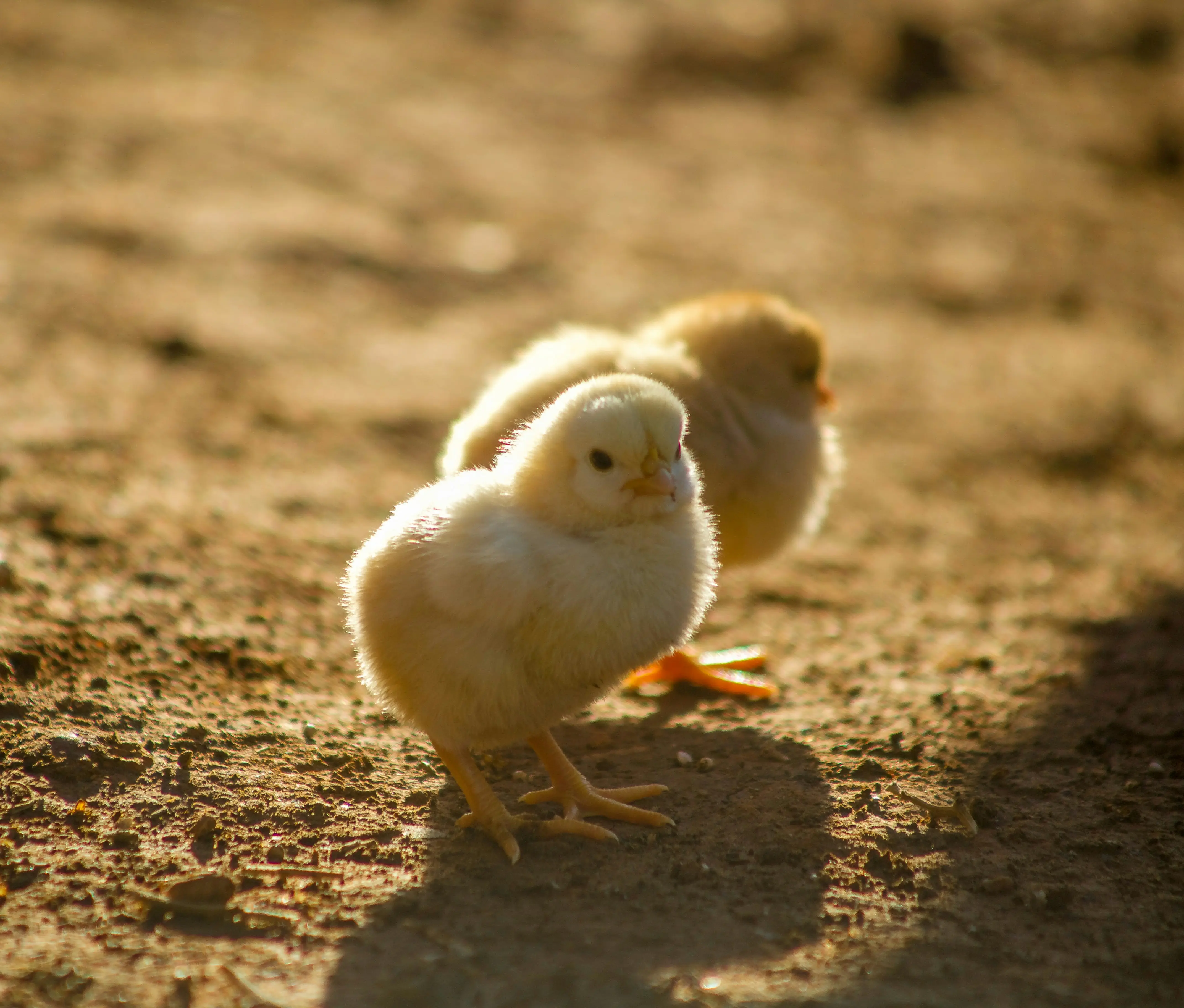
Each year, more than 11 million baby chicks and ducklings are trafficked and sold by Tractor Supply Co., and that’s just one agriculture supply store chain. This figure does not account for the many other suppliers and backyard operations; however, Tractor Supply is the prominent supplier nationwide. From February through April, they host “Chick Days”, in-store events in which unprepared and uneducated consumers are encouraged to walk out of the store with a living being for under $10.
These delicate baby birds are erroneously purchased as Easter gifts for children’s entertainment or for their eggs. If they are not killed in the gruesome, brutal shipping process to the store, they often meet an untimely demise due to receiving improper care or being dumped by their purchaser. Countless chicks die in basements, backyards, at the hands of predators, and in generally poor conditions. Sanctuaries all over the country are also burdened with caring for surrendered older birds.
Making an impulse purchase is never wise, especially when the purchase is a living, breathing, sentient being. That’s why Friends of Animals strongly believes no one should be purchasing chicks from Tractor Supply Co.
Yes, chicks are cute, but once that wears off and people are not prepared for the deep commitment, recurring costs, and proper care it takes to provide a bird with a decent life. Eventually they see the bird as food. Whether an animal, grown or not, is called food, it’s doomed, whether at the hands of the family who purchased it or the farmer they decide to pass it along too!
You got a rooster– feather you like it or not
When Tractor Supply says that they sell all female chicks, they’re lying. Male chicks are often mis-sexed, which means they are spared from a brutal death solely based on their gender—most male chicks are killed due to their inability to lay eggs.
However, when they are sold, and grow up, life can take a drastic turn for the worse, and a whole new list of problems unfolds for these boys. Since roosters don’t lay eggs, and are the subject of many negative, untrue stereotypes, people will often just dump them somewhere, a few lucky ones may end up at a sanctuary. Many towns and municipalities ban roosters, further adding to the crisis.
In 2024, Woodstock Sanctuary of New York wrote to Tractor Supply headquarters, telling its CEO that their chick sales hurt chicks. Woodstock backed this claim: they sent a package with the stories of rescued roosters in their care who were found abandoned. They also included an invoice that showed just how expensive care is (and that they are responsible for it when people give up on their chicks), as well as a massive packet of emails from people asking to surrender their birds they purchased as chicks from Tractor Supply to Woodstock.
The CEO’s didn’t even care to respond to this plea (or to the 5,700 postcards sent by Woodstock members). They simply don’t care what happens to the chicks. But the public should! Adults shouldn’t be teaching children these sentient animals are toys that can be tossed aside when they’re tired of them.
In addition to it the unnecessary suffering imposed upon chicks and ducklings, the Centers for Disease Control and Prevention, veterinarians, and state health departments warn that baby birds frequently carry salmonella bacteria, which can cause serious illness in children.