

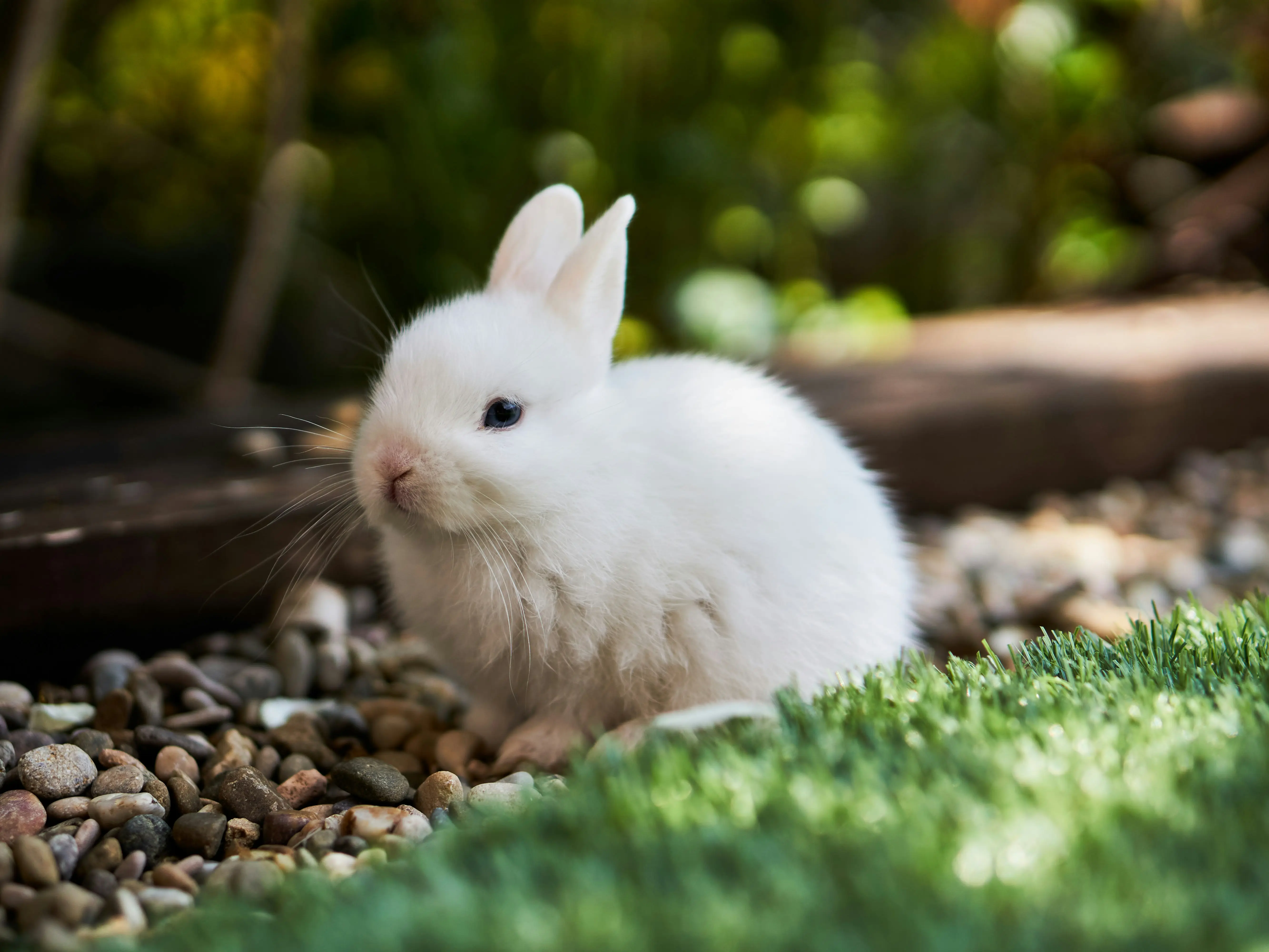
Pet bunnies require a lifelong commitment, just like cats and dogs, so if you’re not in it for the long haul, don’t consider adopting one as an Easter gift for a child. In fact, this advice should be heeded no matter the time of year.
Despite their reputation as a child’s starter pet, rabbits require particular care. Not to mention, they can be more skittish than a child expects. They don’t like to be picked up and held, and may scratch or bite to get free, and be injured if dropped.
Many owners underestimate the care, space, and long-term commitment rabbits require, according to Everybunny Counts Rabbit Rescue in Connecticut. The rescue reports that the number of rabbits coming through its doors has surged in recent years, especially after the COVID-19 pandemic.
The rescue said intakes have already surpassed last year’s total of 152 rabbits — and summer, when post-Easter surrenders often increase, is still months away. To keep up with demand, it’s expanding its facility by about 2,800 square feet.
Across the country, Bunny World Foundation, which was founded in 2008 in Los Angeles, California, rescues more than 700 abandoned and abused domestic rabbits a year.
These organizations understand that a little education goes a long way in saving bunnies and reducing the influx of abandoned rabbits in already overcrowded rescues and shelters.
BWF does not adopt rabbits as pets for children, the primary caregiver must be a responsible adult. The rabbit should be treated as an integral part of the family, i.e., no group ownership, such as a classroom pet.
Other things potential adopters need to consider:
• They must be committed to the health and welfare of the rabbit for his/her lifetime (an average of 8-10 years) regardless of lifestyle changes such as divorce, moving, etc.
• Rabbits are to live as household companions. This means that they must have their primary living space indoors and must spend every night indoors.
• If the rabbit is going to be alone (i.e., without the company of people or other household pets) most of the time, then it is recommended that the adopter adopt a second rabbit as a companion. Single bunnies can be lonely and depressed.
• 10 feet by 6 feet by 3 feet is the absolute minimum recommended space for a pair of rabbits. Rabbits must be able to run around, jump as high as they want, lie down/fully stretch out, and stand up on their back legs without their ears touching the top of their living space.
• During the daytime, adopters can allow their rabbits to exercise outdoors. If this is the case, the rabbit must be provided with an area with secure fencing and adequate supervision.
• Sexually immature rabbits of mixed sexes can be adopted together if the adopter agrees to separate them when the males are 3 months old and to neuter them as soon as the testicles have descended (usually around 4 months). Except for medical reasons, females are to be spayed within 30 days of reaching 6 months old. These same requirements exist even when an adopter has only adopted a single immature rabbit. Even when the rabbit will live alone, spaying and neutering is still required.
• Rabbits need to be thoroughly groomed every two to three months to remove excess fur and have their nails trimmed.
• Rabbits are aggressive chewers and need to be kept away from electrical cords and anything that can be dangerous if ingested, such as taped or glued boxes.
• Bunnies who stop eating or appear to be in pain can die within 36 hours and need immediate care from a veterinarian trained in rabbit care.
If you can’t meet these requirements, a plush or vegan chocolate bunny is the best alternative for your child’s Easter basket!