

This article originally appeared in Nature World News Nov. 20 2026
A Colorado appeals court has ruled that the state’s wildlife agency broke the law when it rewrote the rules for hundreds of State Wildlife Areas in 2023, because it did not consider public comments submitted online.
The Colorado Court of Appeals ruled on Thursday, 19 November, that Colorado Parks and Wildlife (CPW) violated a state law on public comments when it changed the regulations for state wildlife areas, Colorado Public Radio reported. According to Law360, the panel threw out the rules after finding that the agency had failed to consider nearly 200 written comments submitted on its website, in violation of Colorado’s Administrative Procedure Act.
The case was brought by the animal-advocacy group Friends of Animals, together with River Runners for Wilderness and Living Rivers.
What Are State Wildlife Areas?
CPW manages about 350 State Wildlife Areas across Colorado. They are mainly managed for wildlife and for wildlife-related recreation such as hunting, fishing and wildlife watching.
According to The Durango Herald, these areas are leased or bought with federal funds that come from hunters and anglers, alongside state money from hunting and fishing licences. That funding history is central to the long-running debate over who the areas are for.
The 2023 Rules
In 2023, CPW’s governing commission rewrote the general rules that apply across State Wildlife Areas. CPW’s own Engage page says the Parks and Wildlife Commission unanimously approved the changes at its meeting on 22 June 2023.
According to The Colorado Sun’s coverage of the original lawsuit, the new rules restricted some recreation by visitors who were not hunting or fishing. They prohibited motorised travel in most locations, but allowed hunters to use ATVs and snowmobiles in some areas, and barred horseback riders from several State Wildlife Areas.
Friends of Animals argued that the rules favoured hunters and anglers over other people who enjoy wildlife. “It seems like they were ignored and CPW had its mind made up to favor hunting and fishing interests over all other wildlife recreation,” Jennifer Best, director of the group’s Wildlife Law Program, told the Colorado Sun in 2023.
Two Views of Who the Areas Are For
The two sides see State Wildlife Areas very differently.
CPW’s own description says the areas are paid for by sportspersons and managed for the benefit of wildlife, and that they may also offer other wildlife-related recreation. From that perspective, giving priority to hunters and anglers, whose licence fees and taxes fund the land, is fair. Limiting other uses, such as horse riding or vehicles, can also reduce disturbance to wildlife.
The plaintiffs disagree. In their reply brief to the appeals court, they argued that State Wildlife Areas are for wildlife and all wildlife-related recreation, not just hunting and fishing. In their opening brief, they claimed CPW made the changes without surveys or studies documenting how the areas are used, and without considering less drastic alternatives. These are the groups’ arguments; the court’s decision, as reported, rested on the comment issue.
The Missing Comments
The appeals court did not rule on whether the rules were good policy. Its decision turned on process.
Under Colorado’s Administrative Procedure Act, state agencies must consider public comments when they make rules. According to the Colorado Field Ornithologists, which summarised the 2023 rule changes, 191 members of the public commented during the comment period.
CPR reports that, during the court case, CPW acknowledged that its commission did not take the online public comments into consideration. Law360 reports that the panel found the agency had failed to consider nearly 200 written comments submitted through its website. For the court, that was enough to throw out the rules.
Court records show the case was numbered 2025CA2144 and argued before a three-judge panel on 8 October 2026.
Not the First Fight
This is not the first legal clash between Friends of Animals and CPW over access to wildlife lands. In 2020, the group sued over a requirement that visitors hold a valid hunting or fishing licence to enter State Wildlife Areas or State Trust Lands, even to hike or watch birds.
The disputes reflect a wider tension in American wildlife management. Much of the money for state wildlife agencies has traditionally come from hunters and anglers, through licence fees and federal taxes on firearms, ammunition and fishing equipment. As more people use public lands for hiking, birdwatching and photography, some argue the rules and the funding model should change to reflect that.
Two federal laws are at the heart of this system. The Pittman-Robertson Act of 1937 places an excise tax on guns and ammunition, and the Dingell-Johnson Act of 1950 does the same for fishing equipment. The money is shared with state wildlife agencies for conservation and land purchases. Supporters call this “user pays” model one of the great successes of American conservation. Critics point out that it leaves birdwatchers, hikers and others, who do not pay those taxes, with little say over how the land is managed.
What Happens Next
The court’s written opinion was not available to NatureWorldNews at the time of writing, so the exact remedy has not been independently confirmed. That includes whether the rules are fully void, whether CPW must redo the rulemaking, and which earlier rules now apply.
CPW could ask the Colorado Supreme Court to review the decision, or it could restart the rulemaking and properly consider public comments this time. Visitors should check CPW’s official guidance before assuming that any specific activity is now allowed.
How Public Comment Is Supposed to Work
Public comment periods are one of the main ways ordinary people can shape government rules. When a state agency like CPW proposes new regulations, it must publish them, invite the public to respond, and then consider what people say before adopting a final rule. The agency does not have to agree with every comment, but it must take them into account.
In 2023, CPW collected comments through its “Engage CPW” website, where people could read the proposals and submit feedback online. Online platforms make it easier for more people to take part, especially those who cannot attend meetings in person. This case shows the other side of that convenience: if comments submitted online are not passed on to decision-makers, the process fails.
For other agencies, the ruling is a warning that collecting public input is not enough. They also need clear systems to make sure every comment reaches the people making the decision. For Colorado residents who care about wildlife lands, the case shows that taking part in comment periods can matter, sometimes in court.
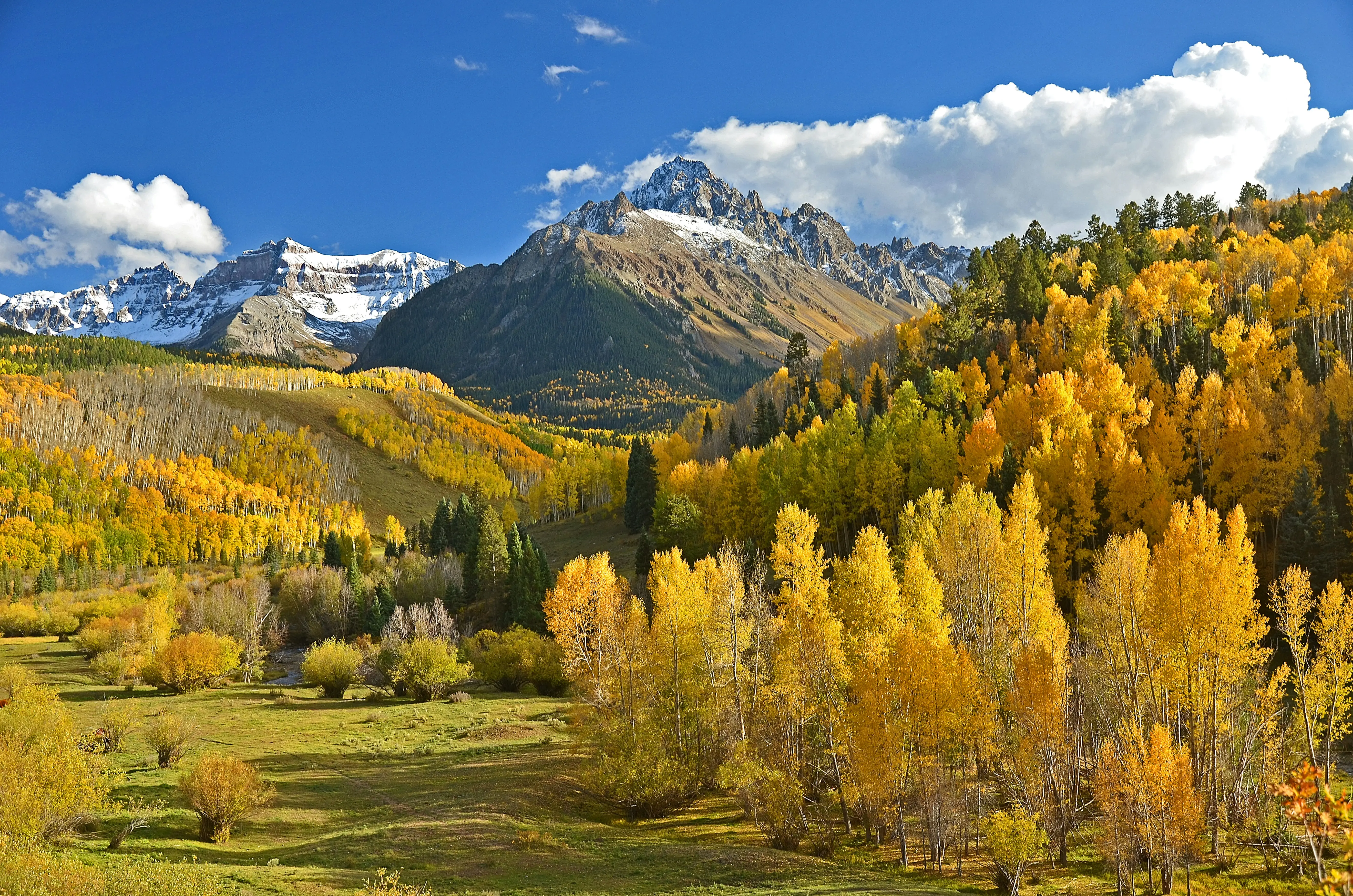
Photo by Thomas Morse on Unsplash