

In Connecticut where Friends of Animals is headquartered, An Act Concerning Pesticide Reporting Modernization passed in the Senate and House unanimously and is now heading to the Governor’s desk to be signed into law. The purpose of the legislation is to make it easier to aggregate and summarize data that shows which pesticides are being used in the state, in what quantities, and on what pests.
By the way, there are more than 3,000 certified pesticide applicators in the state!
Advocates are hoping the data will lead to the creation of smart legislation to protect pollinators, birds, clean water and human health. But the truth is that people don’t have to wait for the legislature to step up and protect our precious pollinators—they can vote with their wallets by not using pesticides or hiring pest control companies this spring and summer.
With mosquito season approaching, our allies at Beyond Pesticides have launched an awareness campaign to remind municipalities and residents all over the country that mosquito management requires the enhancing of natural ecosystems, including bird populations, to reduce the populations of biting insects. They are calling on governors, mayors and the public to stop using pesticides to kill mosquitoes or other insects, because guess what, it’s counterproductive because it eliminates some of our most helpful allies—birds.
Research shows that 57% of bird species are in decline, and mosquito-eating birds lead the list.
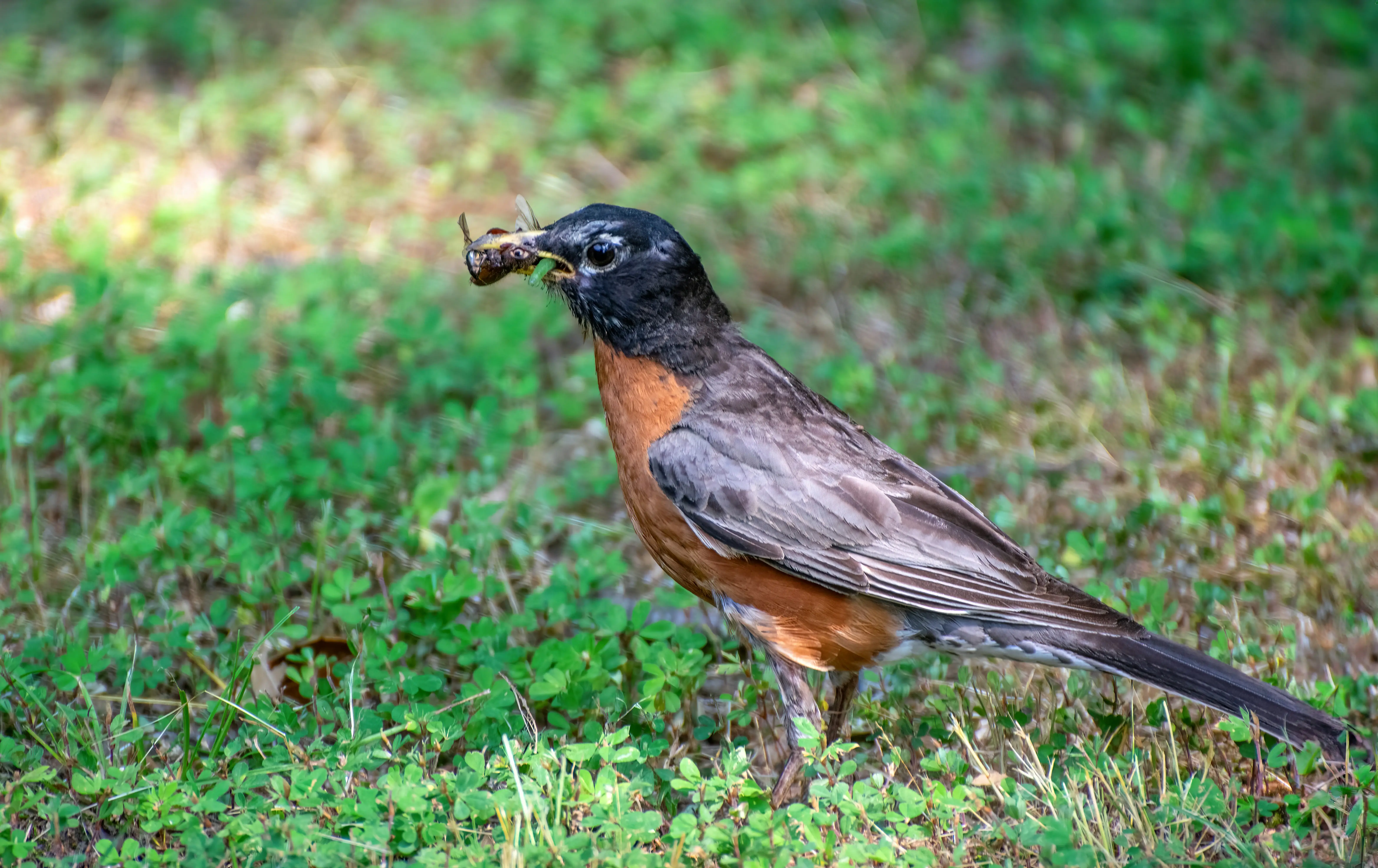
Beyond Pesticides points out that mosquito-eating birds include many well-known residents of our communities: wood ducks, phoebes and other flycatchers, bluebirds, cardinals, downy woodpeckers, swallows, swifts, robins, orioles, wrens, great tits, warblers, nuthatches, hummingbirds, red-winged blackbirds, grackles, chickadees, sparrows, nighthawks, and even the much-maligned starlings.
You can attract these birds to keep mosquitoes from feasting on you by planting native trees, shrubs, and wildflowers. This native plant database can steer you in the right direction for you area; https://www.audubon.org/native-plants.
And remember it’s ok to not have a perfectly manicured yard, why not put a little less effort into yardwork. For instance plants with flowers past their prime, if left standing, offer a feast of seeds and insect larvae. Fallen branches serve as nest-building material and can be heaped into a brush pile that provides welcome shelter.
Other things to do to repel mosquitoes safely from yard your and body
• Remove any standing water where mosquitoes can breed around your home, such as plant pots, leaky hoses, clogged gutters, empty buckets, toys, and old tires. Trim back overgrown vegetation, and encourage other natural predators like bats, dragonflies, and frogs.
• Protect yourself from mosquitoes by wearing long-sleeved, loose, light colored clothing. When sitting outside, use an oscillating fan, a screened area, or even a pop-up shelter. Burning citronella candles outside may also help repel mosquitoes. As a last line of defense, Beyond Pesticides recommends Oil of Lemon Eucalyptus (OLE) as the best choice for applying to your skin. The U.S. Centers for Disease Control and Prevention recommends OLE repellents as an effective alternative to DEET.
OLE masks both carbon dioxide and lactic acid exhalations that alert mosquitoes to our presence, hiding humans from detection. Only formulated, refined OLE is registered by the agency as a repellent; note that “pure” lemon eucalyptus oil is registered for safety, but not repellent effectiveness by EPA. Examples: Repel Lemon Eucalyptus Insect Repellent, Cutter Lemon Eucalyptus Insect Repellent.
For more information, visit beyondpesticides.org/mosquitoes.